

Blog
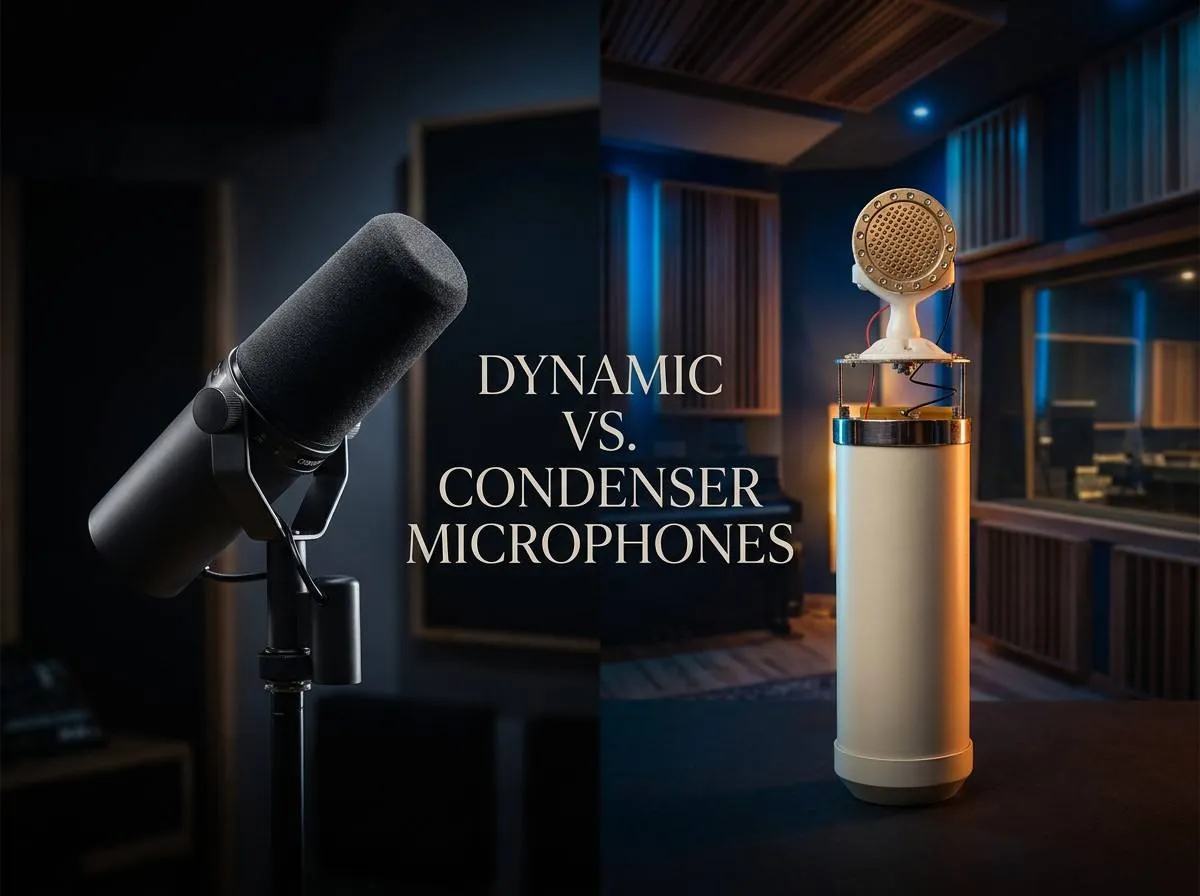
Dynamic vs. Condenser Microphones

What’s the Real Difference for Studio Recording and DIY Builders?
If you are setting up a home studio, choosing your first professional recording gear, or looking into building your own microphone clone, the first major decision you will face is: Dynamic vs. Condenser microphones—what’s the difference, and which one is better?
While both microphone types serve the same ultimate purpose—converting sound waves into electrical signals—they do it using completely different physics. Choosing the wrong type can leave your vocals sounding muddy, or worse, pick up every ounce of background noise in your room.
In this ultimate guide, we’ll break down the technical differences, explore how they impact your sound, and explain why understanding these components is the ultimate “cheat code” for DIY studio builders.
1. Dynamic Microphones: The Rugged Workhorses
How They Work
Dynamic microphones operate on electromagnetic induction (similar to a loudspeaker working in reverse). Inside the mic, a thin diaphragm is attached to a tiny coil of wire suspended inside a magnetic field. When sound waves hit the diaphragm, the coil moves back and forth within the magnet, generating a small electrical current.
Key Characteristics:
Lower Sensitivity: Dynamic mics require higher acoustic energy (louder sound) to move the coil.
High SPL (Sound Pressure Level) Handling: They can handle incredibly loud sources—like drums, guitar amplifiers, and screaming vocals—without distorting.
Excellent Noise Rejection: Because they are less sensitive, they naturally reject background noise, laptop fans, and untreated room reflections.
The Professional Dilemma: Legendary dynamic mics like the Shure SM7B or Electro-Voice RE20 are staples in broadcasting and gaming. However, because their output signal is so incredibly weak, running them through cheap built-in preamps or standard audio interface headphone jacks usually squishes the dynamics, leaving your audio sounding dark and muddy.
2. Condenser Microphones: The High-Fidelity Detail Kings
How They Work
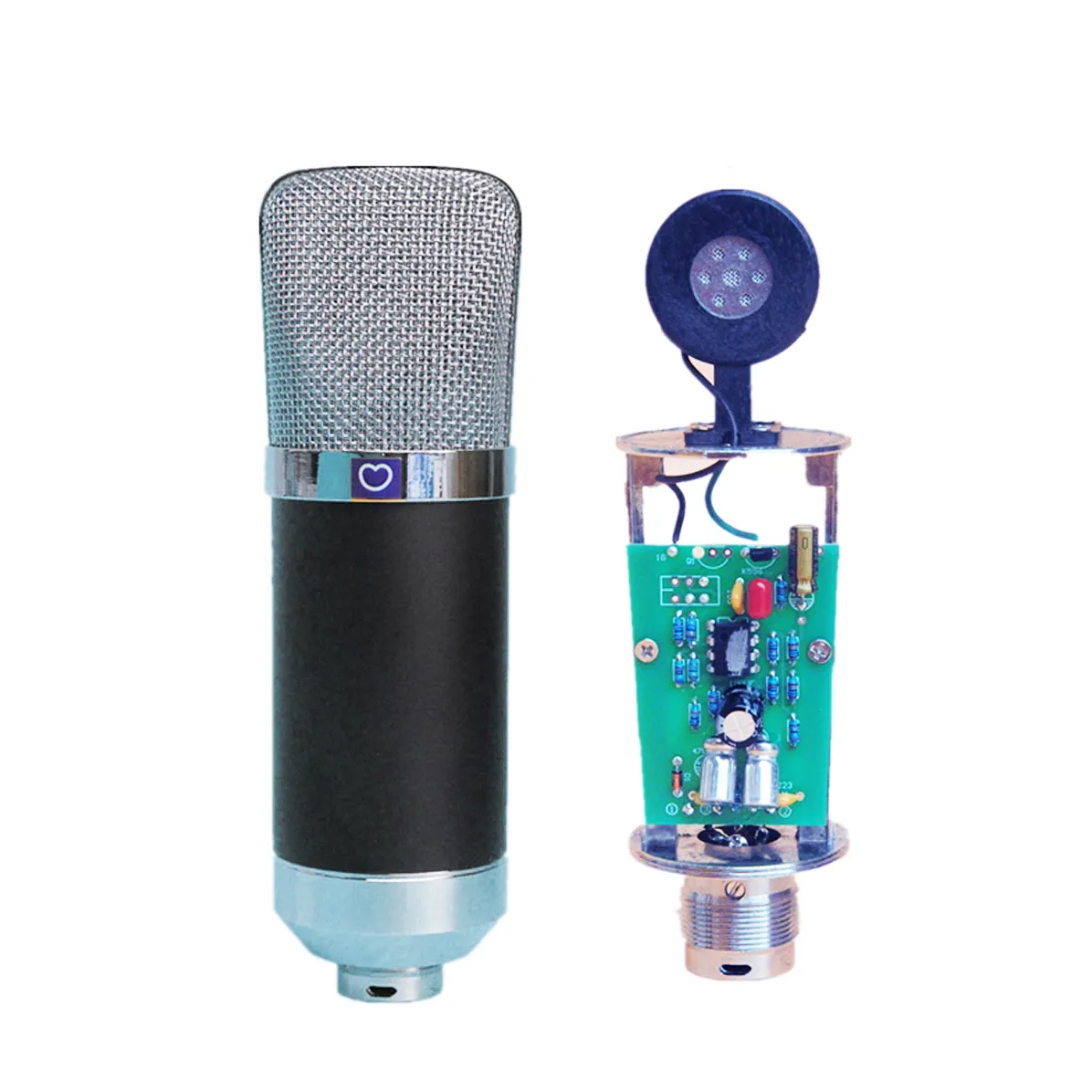
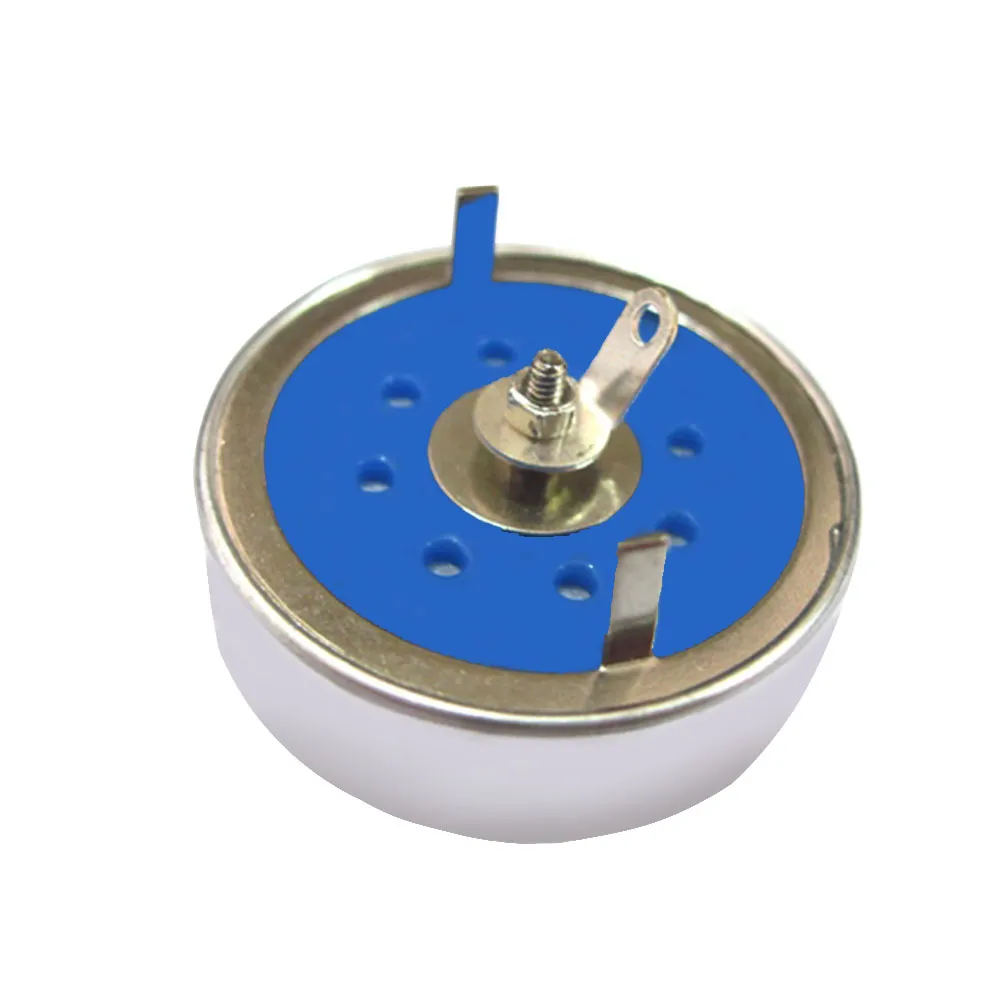
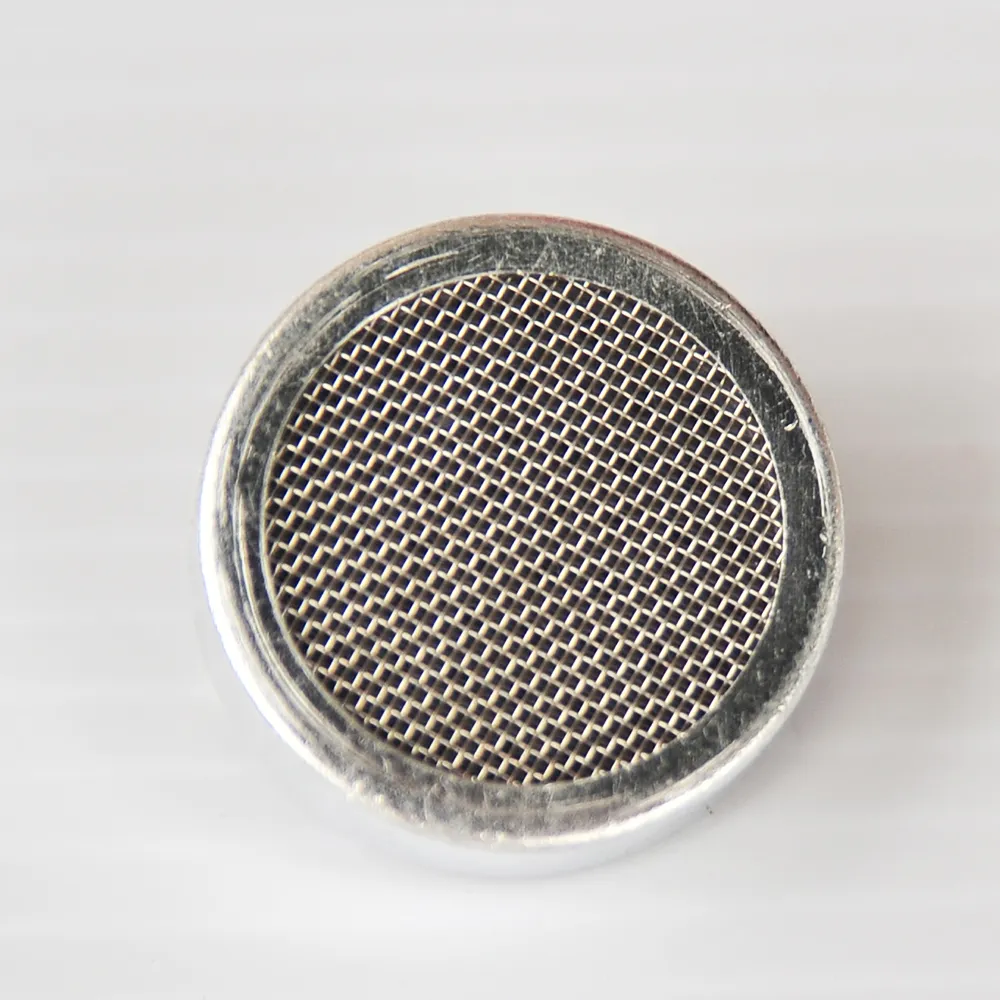
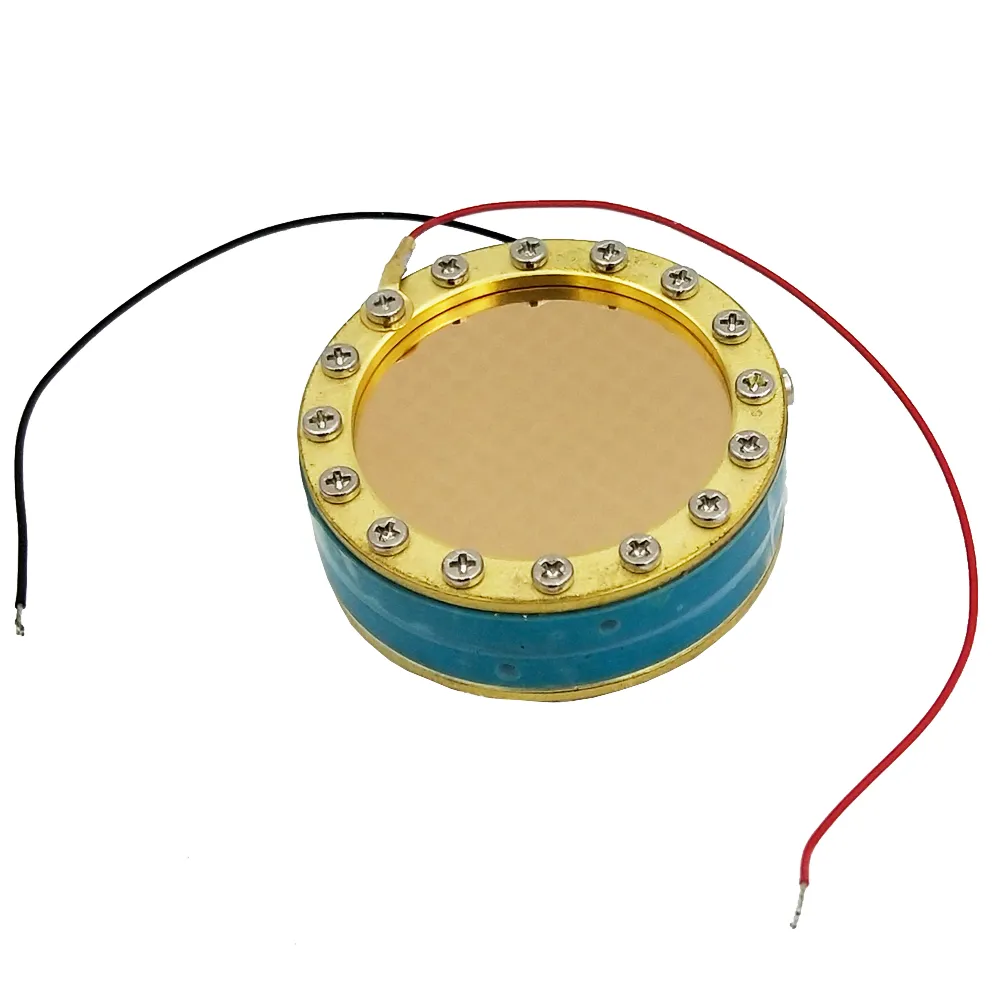
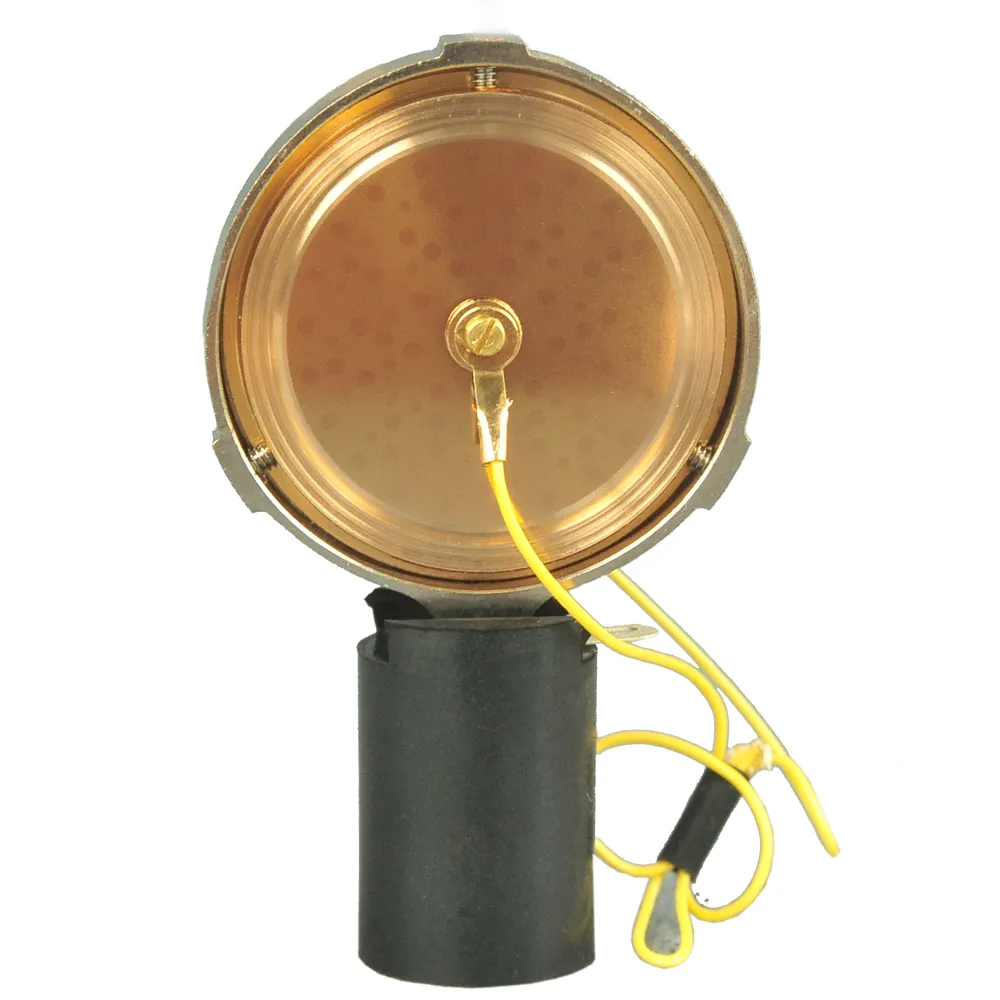
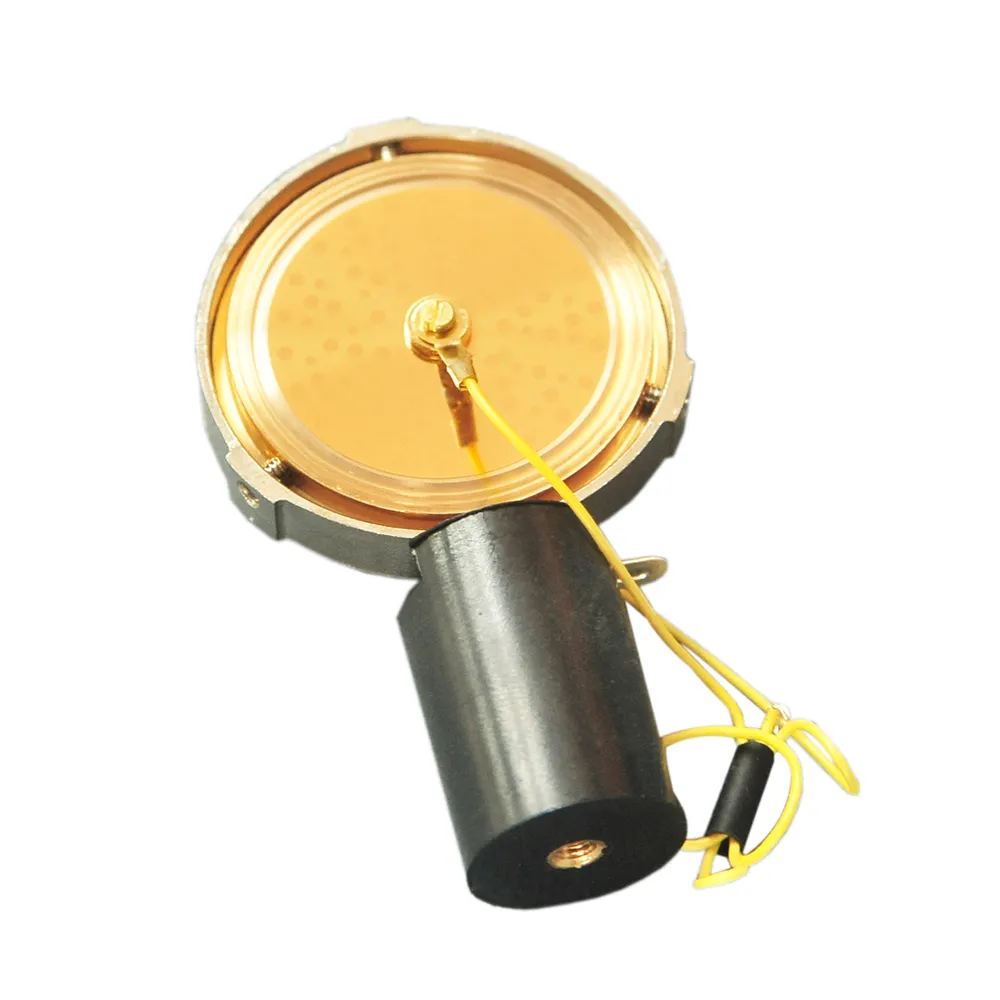
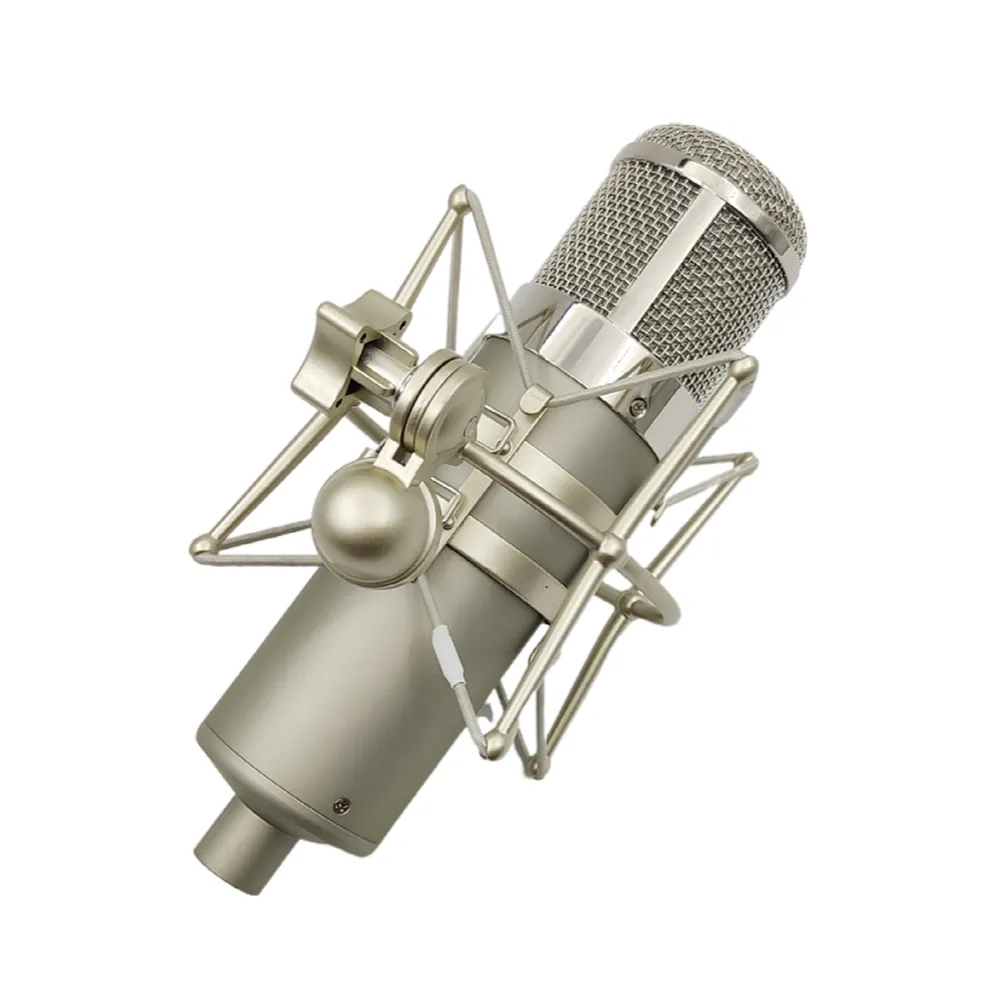
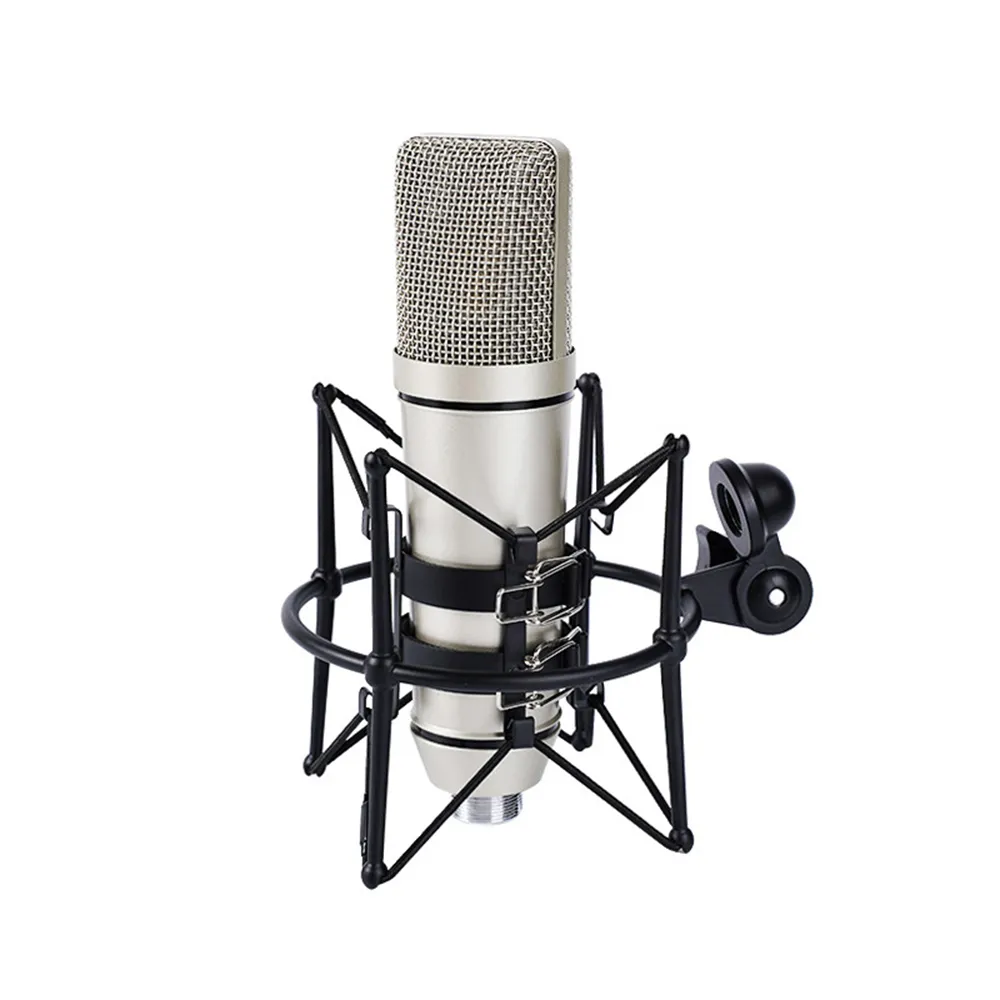
Condenser microphones are built around electrostatic technology. Instead of a heavy coil, a condenser features an ultra-thin, gold-sputtered diaphragm placed fractions of a millimeter away from a solid metal backplate. Together, they form a capacitor (historically called a condenser).
When sound waves hit the capsule, the distance between the diaphragm and backplate changes, altering the electrical capacitance. This tiny voltage fluctuation is then amplified by an internal preamp circuit (which requires +48V Phantom Power to operate).
Key Characteristics:
Extreme Sensitivity & Accuracy: Because the gold-sputtered diaphragm is incredibly lightweight, it reacts instantly to the fastest transients and high-frequency air.
Wide Frequency Response: Condenser microphones capture a much wider frequency spectrum, giving you that crisp, warm, “expensive” studio vocal sound.
Rich Low-Mids and Transparent Highs: Perfect for capturing the emotional nuances of vocals, acoustic guitars, and orchestral instruments.
Dynamic vs. Condenser: Which One is Better For You?
Feature Comparison: Dynamic vs. Condenser Microphones
| Feature | Dynamic Microphones | Condenser Microphones |
|---|---|---|
| Operating Principle | Electromagnetic Induction | Electrostatic (Capacitance) |
| Power Requirement | Passive (No Phantom Power needed) | Active (Requires +48V Phantom Power) |
| Sensitivity | Low (Rejects room noise) | High (Captures extreme detail) |
| Best For | Untreated rooms, live stages, loud instruments, podcasting | Professional studios, vocal isolation, acoustic instruments |
The Insider Secret: Why the Housing and Capsule Make 90% of the Sound
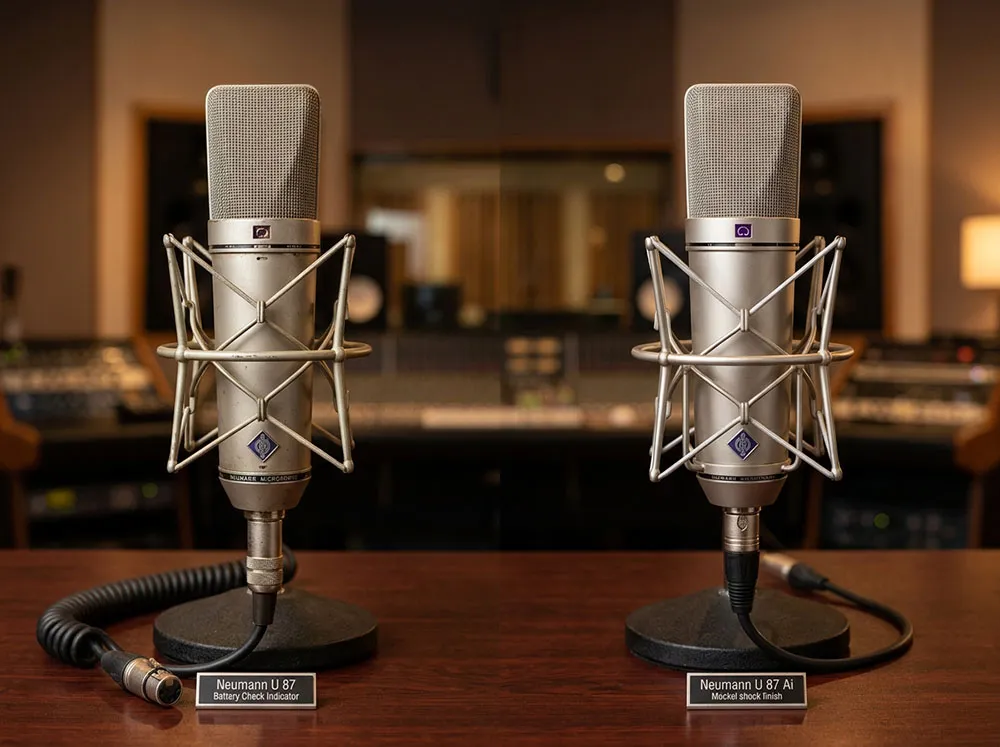
If you look at legendary studio condenser microphones like the Neumann U47, Telefunken ELA M 251, or Sony C800G, they all share one thing in common: impeccable acoustic engineering and component shielding.
For DIY builders and independent audio engineers, understanding this physics opens up a massive opportunity. You don’t need to spend $3,000 to $10,000 on a vintage original to get true studio-grade warmth and low self-noise.
When building a high-fidelity condenser microphone replica, the magic relies entirely on two core pillars:
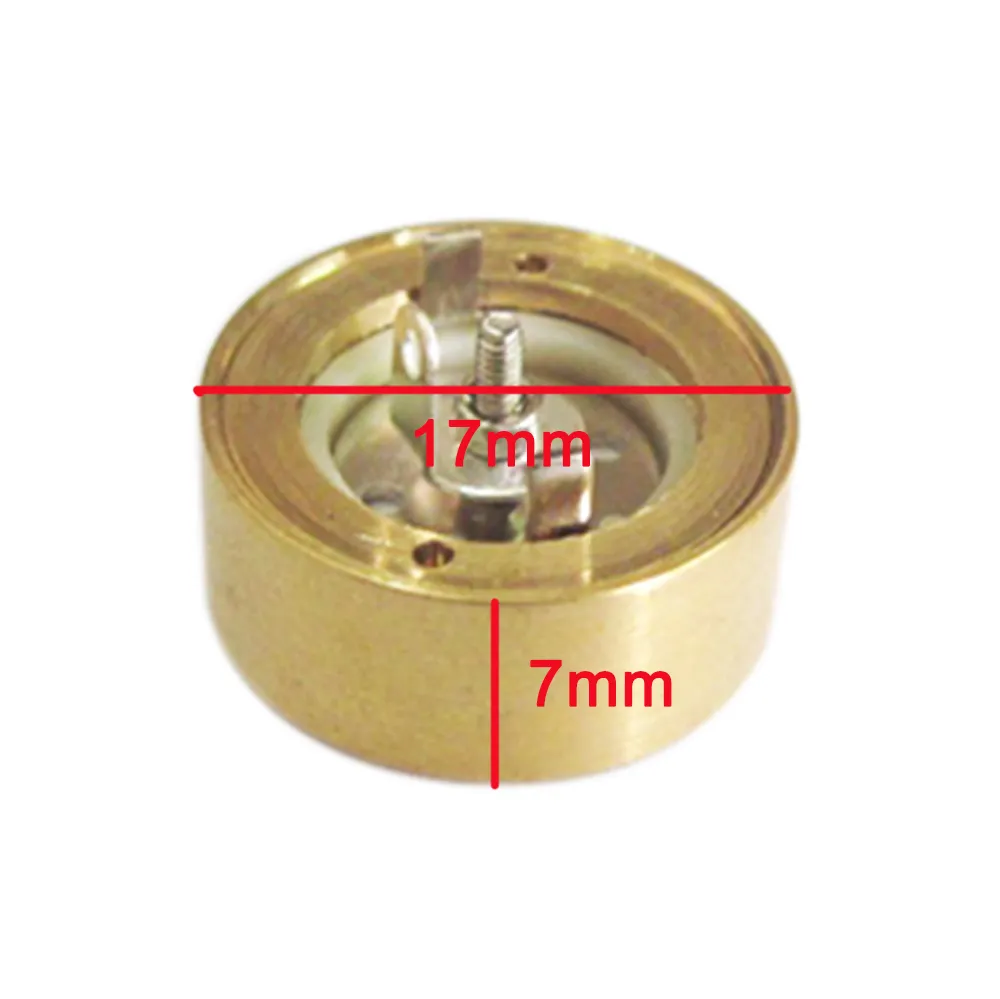
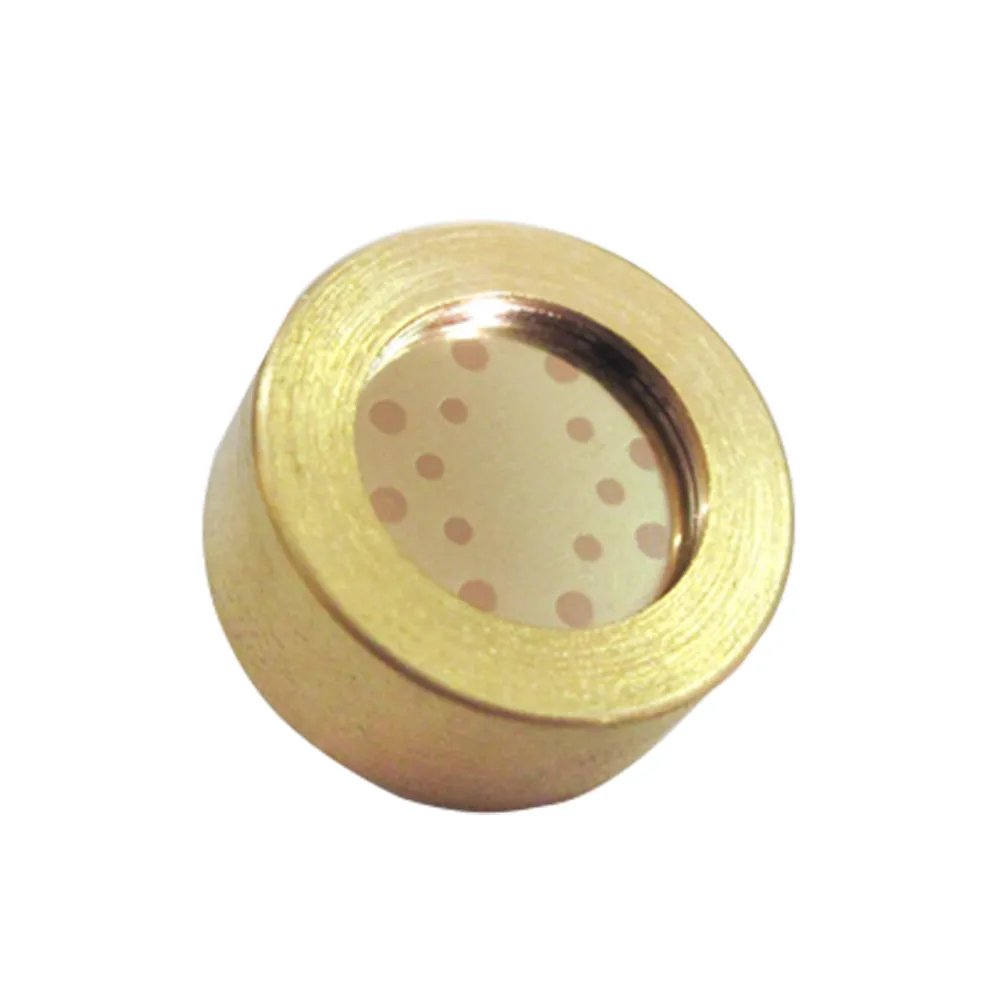
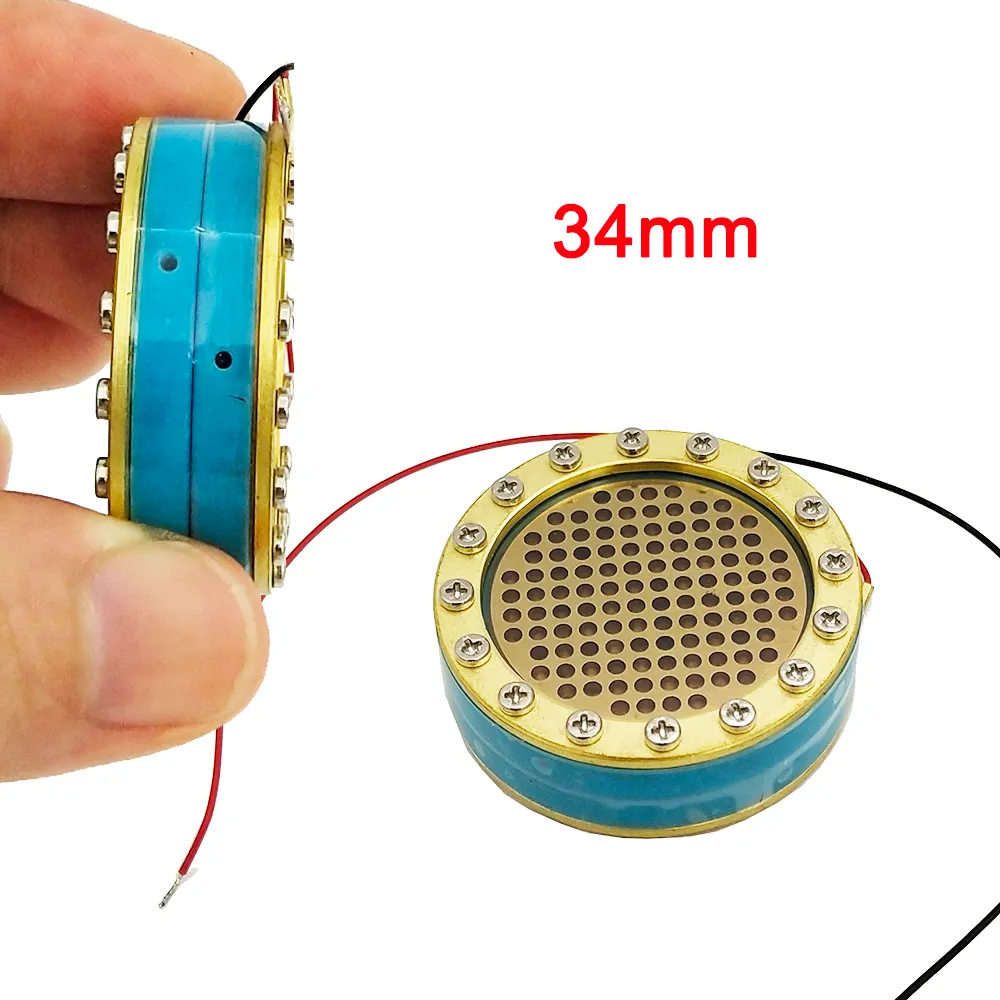
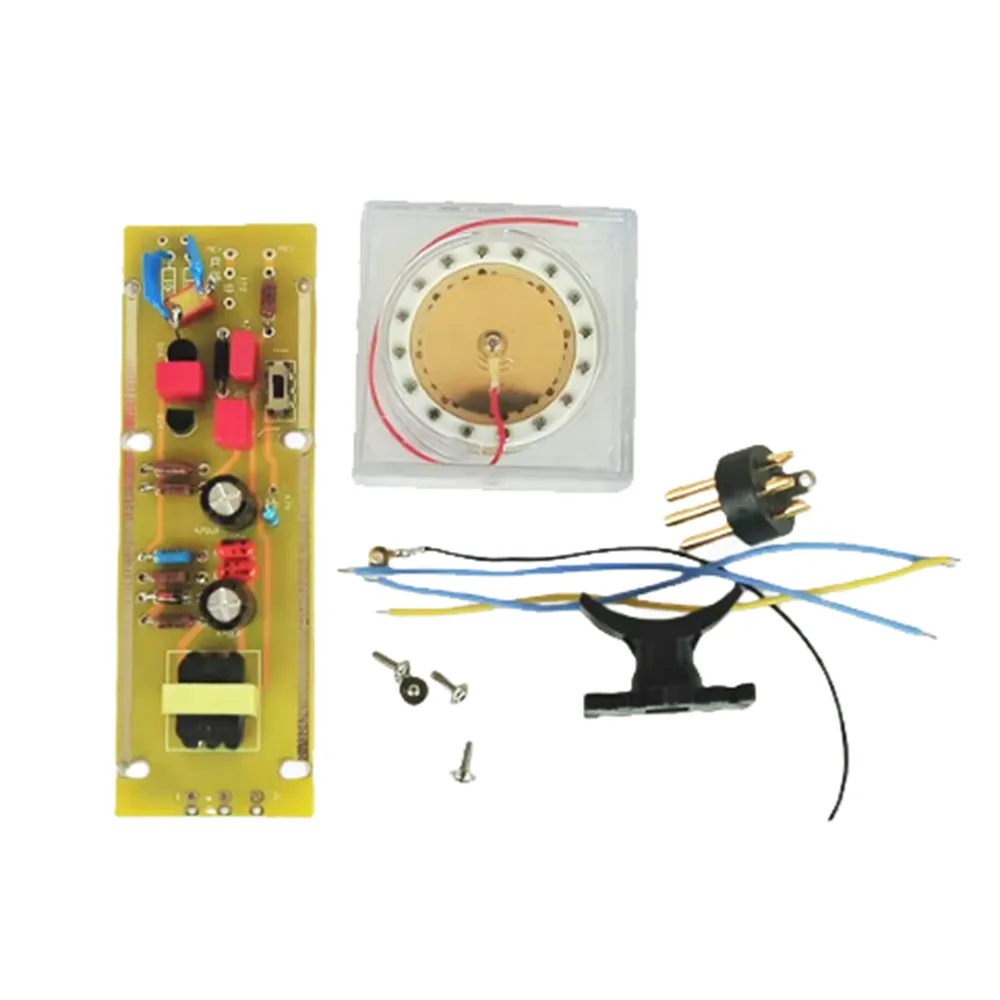
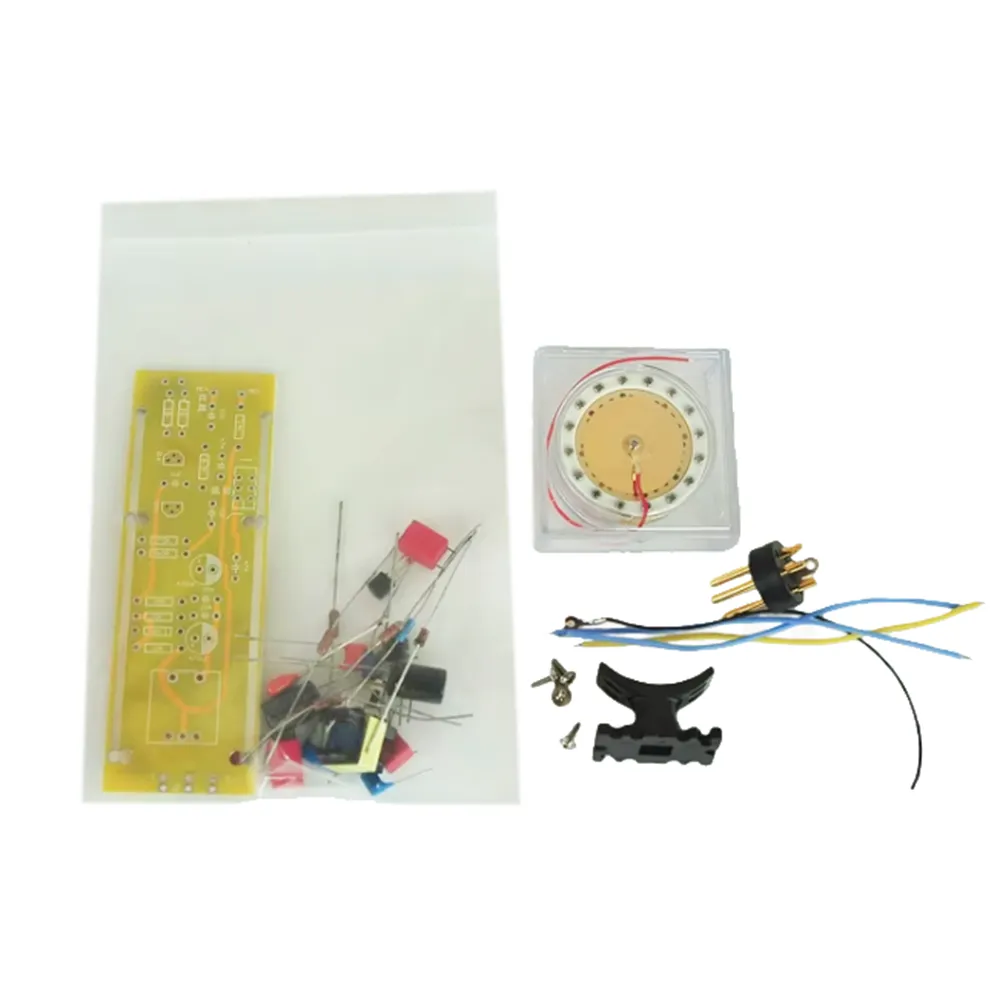
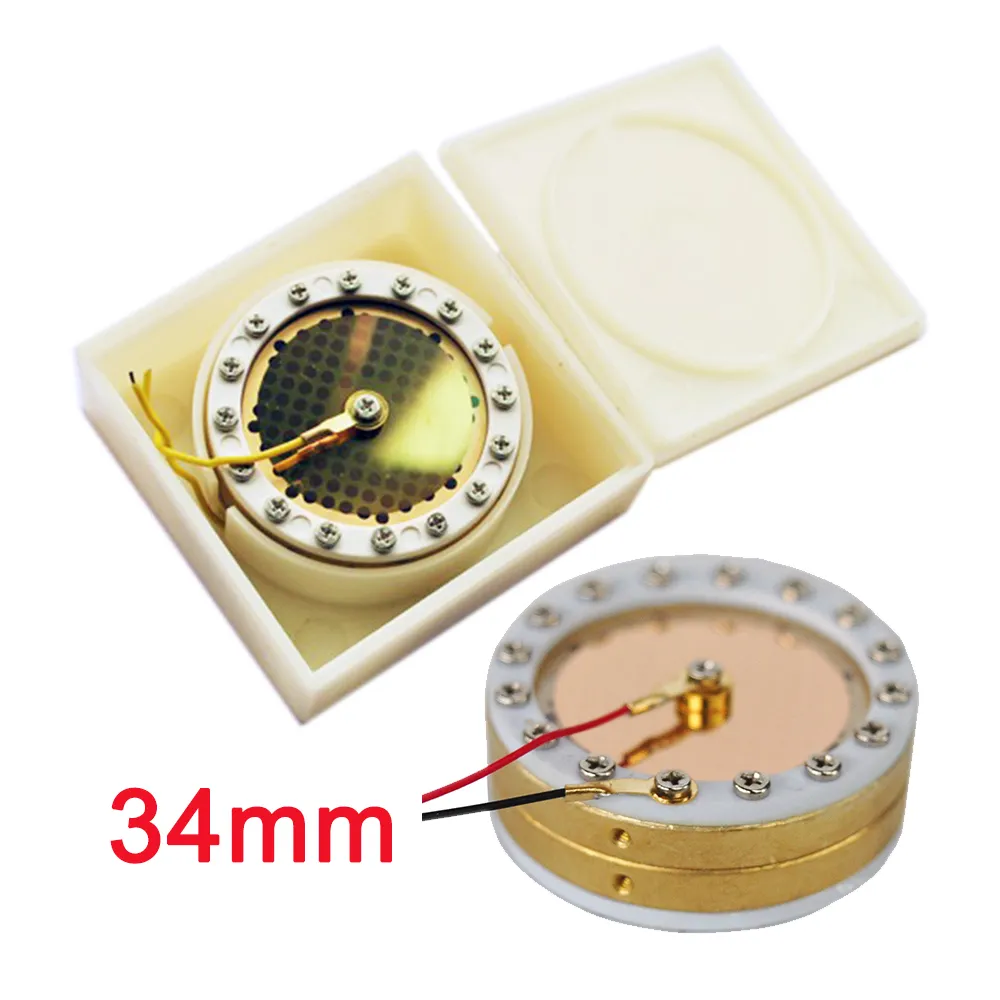
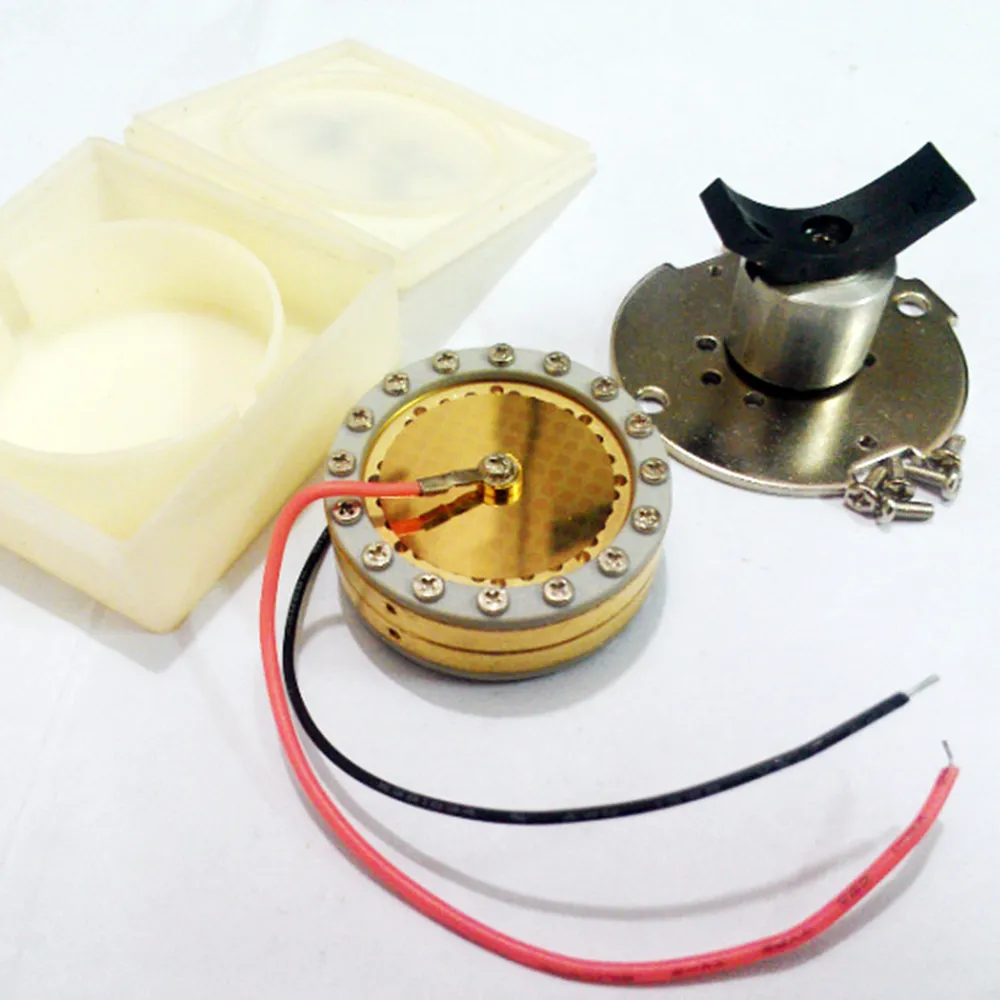
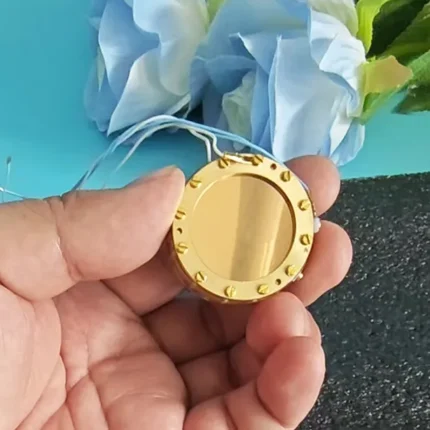
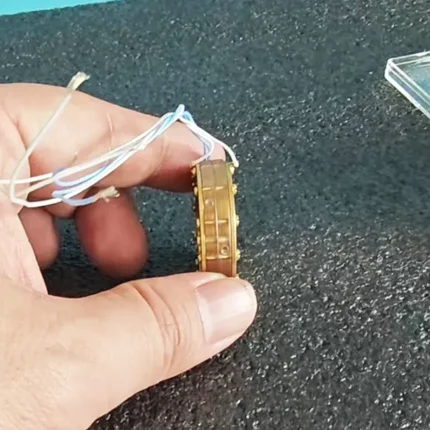
The Capsule (The Heart): Utilizing a premium, precision-engineered 34mm M7 or K47 dual-diaphragm capsule is what determines the microphone’s signature frequency response peaks and dips. It determines the true tonal characteristics of your recording.
The Acoustic Enclosure (The Body): Condenser circuits are highly sensitive to electromagnetic interference (EMI) and radio frequency interference (RFI)—especially from modern high-end PC GPUs and studio monitors. Surrounding your circuit with a precision-machined, heavy solid brass replica body acts as a perfect Faraday cage, dropping your noise floor to absolute zero while providing that gorgeous, premium weight and vintage aesthetic.
Unlocking the Full Potential of Your Microphone
Whether you choose a high-output condenser mic or a gain-hungry dynamic mic, your audio signal is only as good as the next step in your analog signal chain.
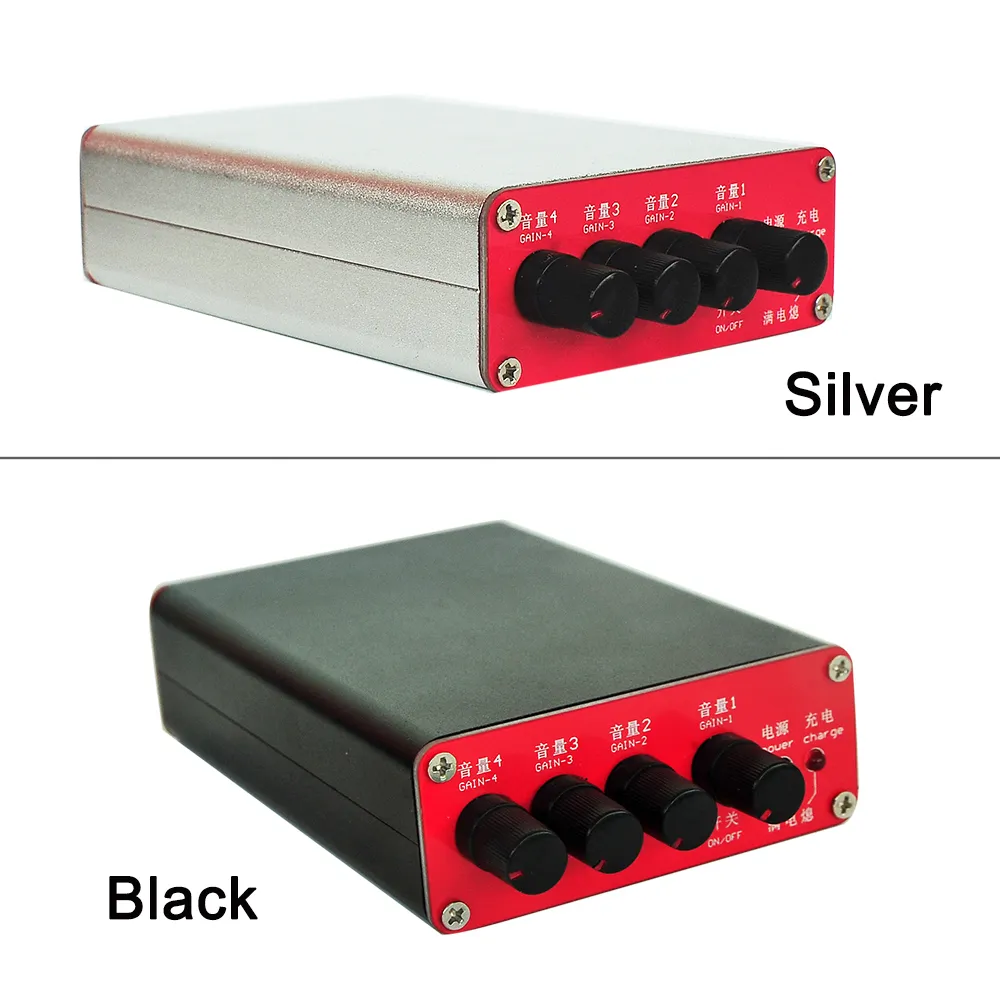
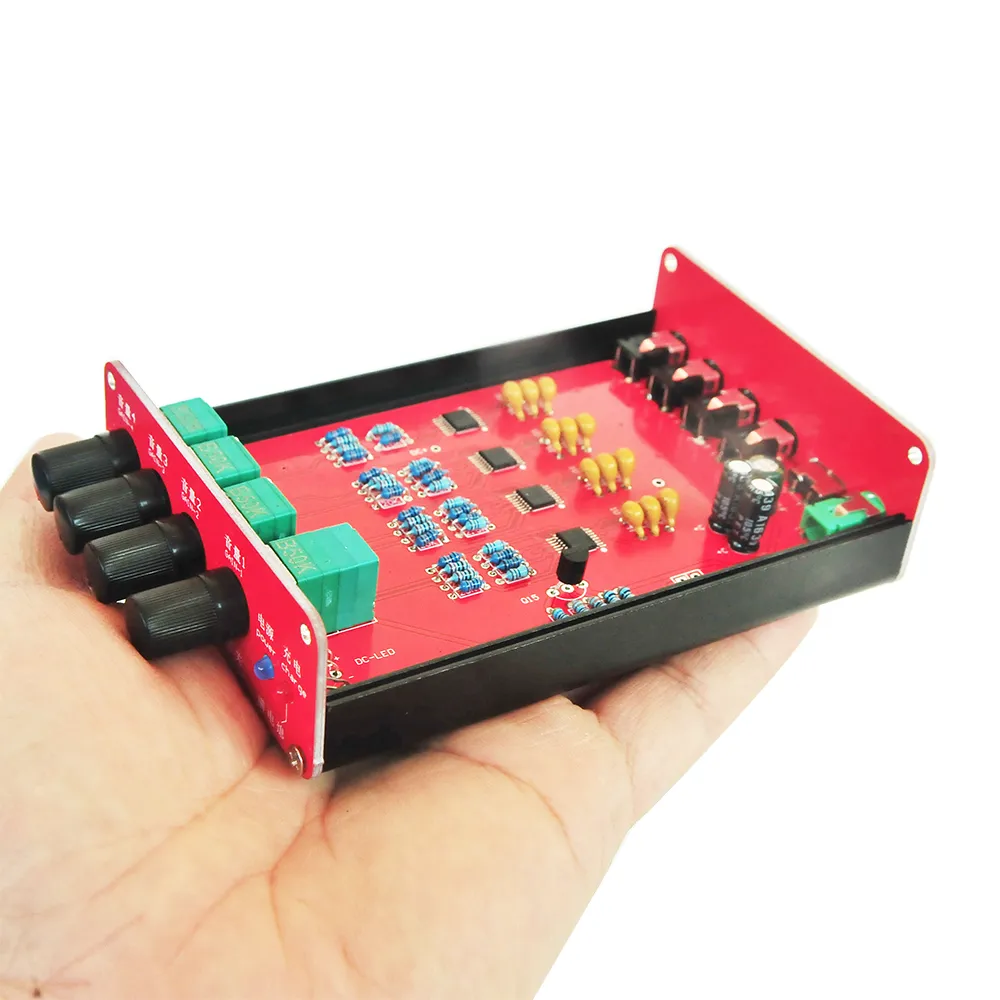
Standard, off-the-shelf USB interfaces often squish microphone micro-details through cheap, integrated circuits. To fully monitor, edit, and mix the rich, transparent details captured by premium capsules, passing your analog signal through a fully discrete, Class-A studio circuit or discrete headphone amplifier makes a night and day difference.
Ready to Build Your Own Legendary Studio Sound?
At DIY-Microphone Lab, we are obsessed with pure analog performance. We manufacture precision-machined vintage microphone bodies (U87/U47/C12 styles), premium custom 34mm capsules, and discrete Class-A studio hardware circuits for audiophiles and independent engineers.
Explore Premium DIY Microphone Components Here https://diy-microphone.com/product-category/diy-mic-parts/