

How to Set Up a Home Record Studio?
– Essentials for Beginners
Creating a professional-sounding home studio is more accessible than ever. With strategic planning and the right gear, you can produce broadcast-quality recordings without breaking the budget.
Core Equipment Checklist:
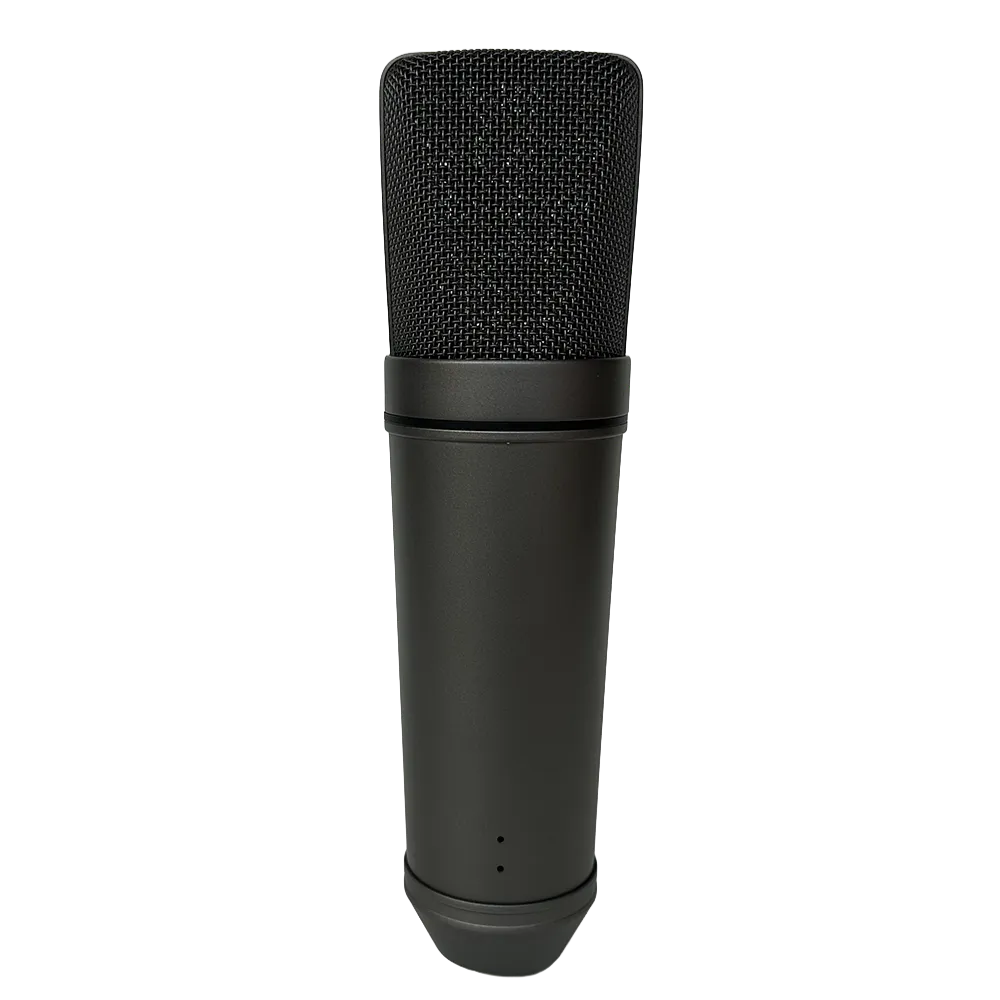
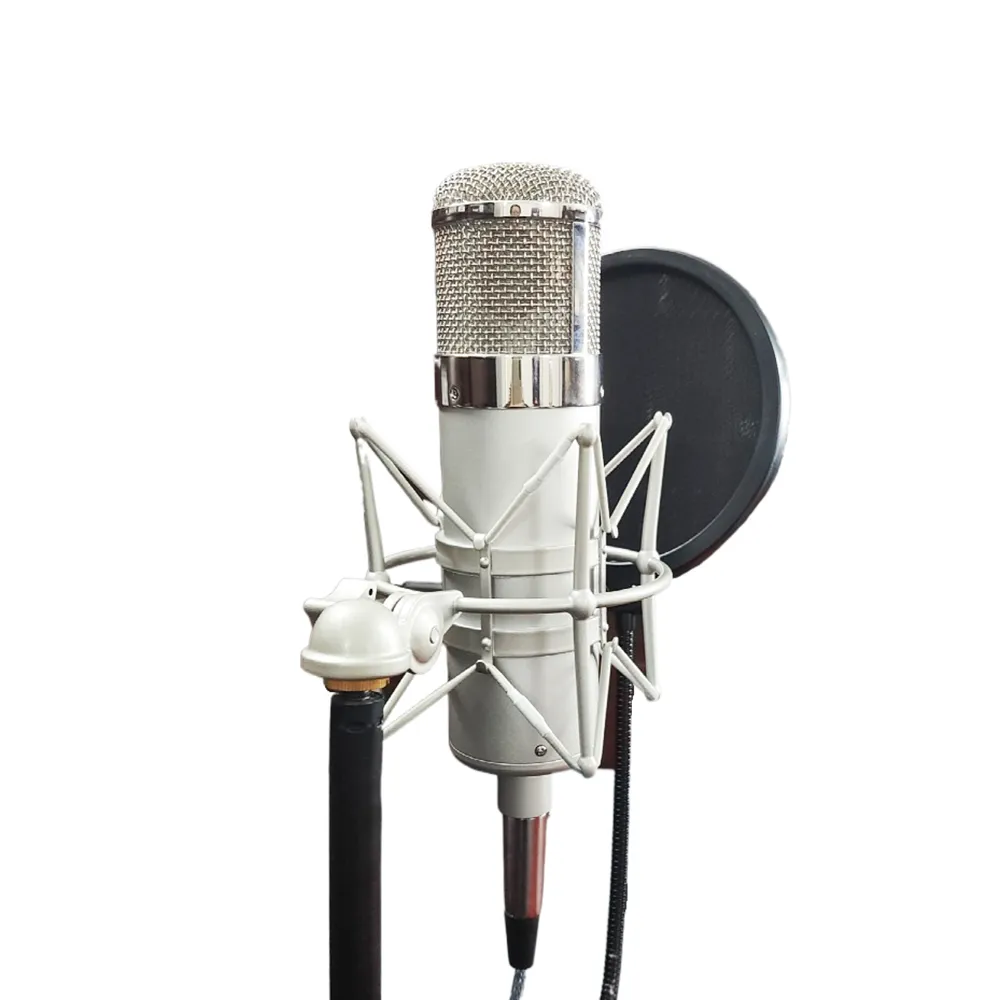
- Microphone – A versatile large-diaphragm condenser (e.g., U87-style DIY kit) for vocals and instruments.
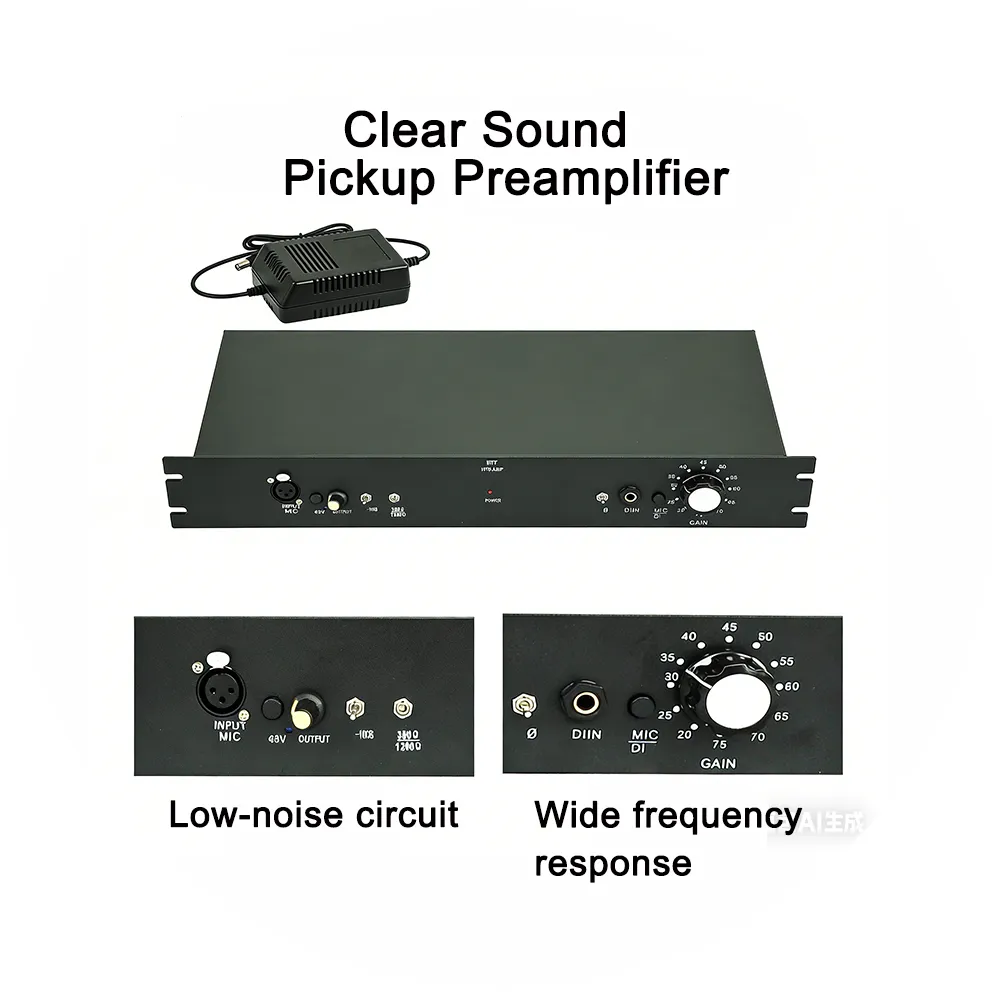
- Audio Interface – 2+ preamps with 48V phantom power and low-latency monitoring.
- Monitors & Headphones – Flat-response studio monitors and closed-back headphones for accurate mixing.
- Acoustic Treatment – Bass traps in corners, absorption panels at reflection points, and diffusers for liveliness.
Step-by-Step Setup:
- Choose Your Space – Select a quiet, rectangular room. Avoid square spaces or excessive windows.
- Position Your Desk – Place it along the shorter wall, leaving space behind for treatment.
- Treat First Reflections – Use panels at mirror points relative to your listening position.
- Connect Your Gear – Microphone → Interface → Computer → Monitors/Headphones.
- Calibrate Levels – Set monitor volume to 75–85 dB SPL for consistent mixing.
Software & Workflow:
- DAW – Start with user-friendly options like Reaper, Logic, or Studio One.
- Recording Tips – Track in 24-bit/48 kHz, leave headroom (-6 dB peak), and name files clearly.
- Mixing Basics – Use EQ to carve space, compression to control dynamics, and reverb to add depth.
Budget-Friendly Alternatives:
- DIY acoustic panels from rockwool and fabric.
- Start with one premium microphone and expand gradually.
- Use free plugin suites (like Vital or Native Instruments Komplete Start).
Final Thought:
Your studio is a creative tool. Prioritize acoustics and monitoring accuracy—they matter more than expensive gear. As you grow, upgrade strategically based on your specific needs.