

Microphone Care & Repair Guide
–Extend the Life of Your Gear
Proper maintenance keeps microphones performing like new. This guide covers routine care, common issues, and when to seek professional repair—ensuring your investment lasts for years.
Routine Maintenance:
- Cleaning – Use a soft brush or air blower to remove dust from grilles. For grime, lightly dampen a cloth with isopropyl alcohol (avoid solvents).
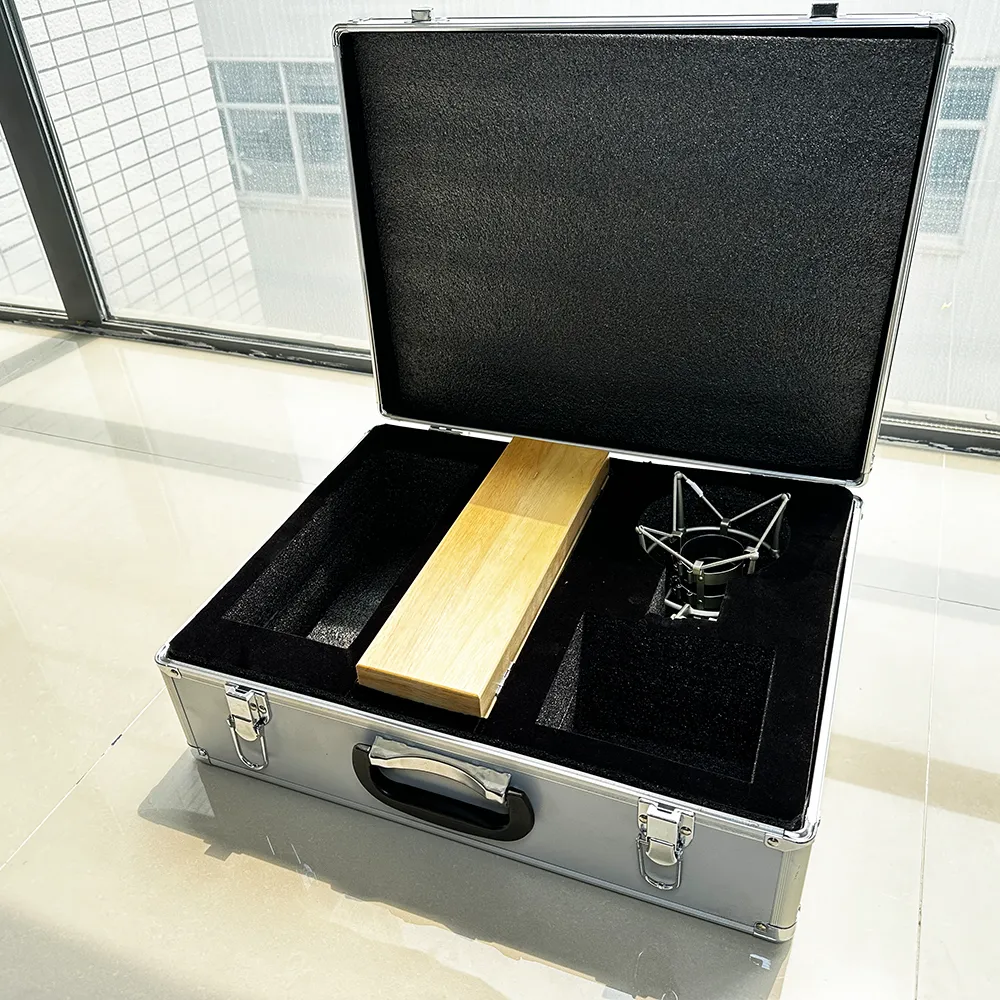
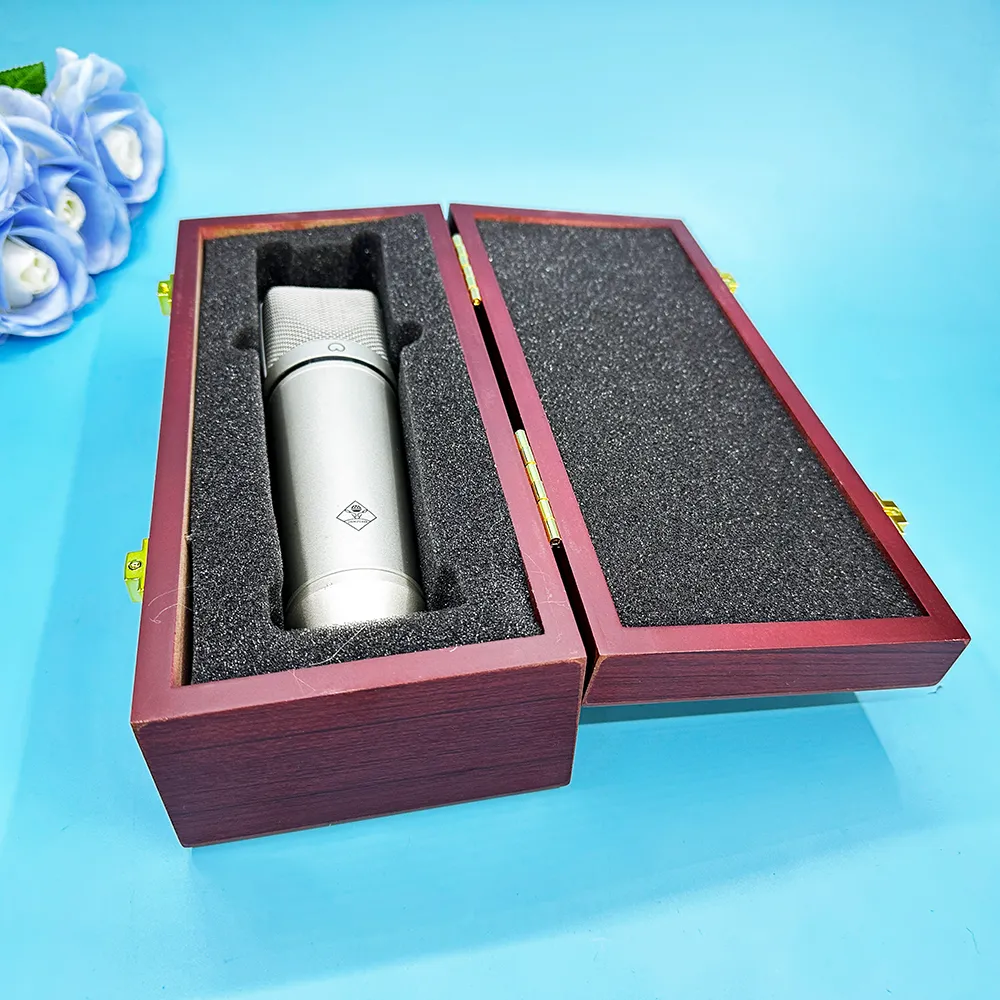
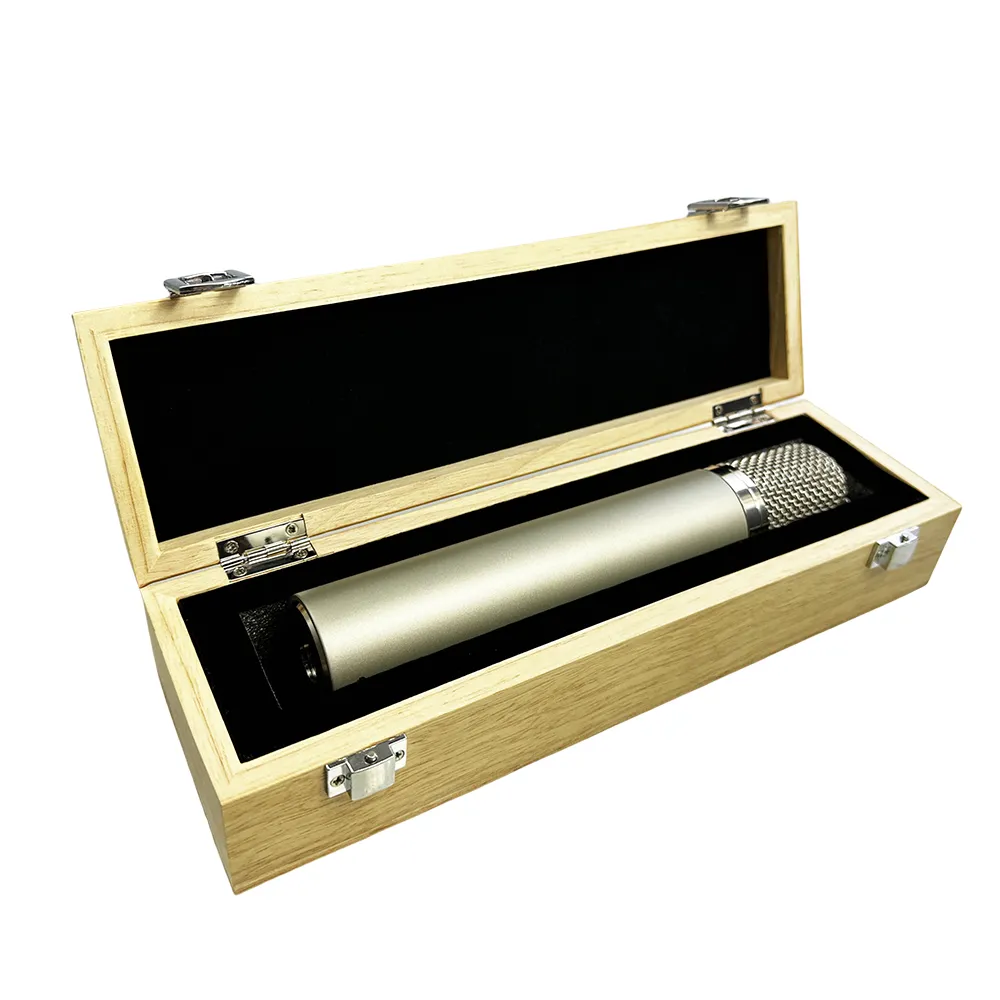
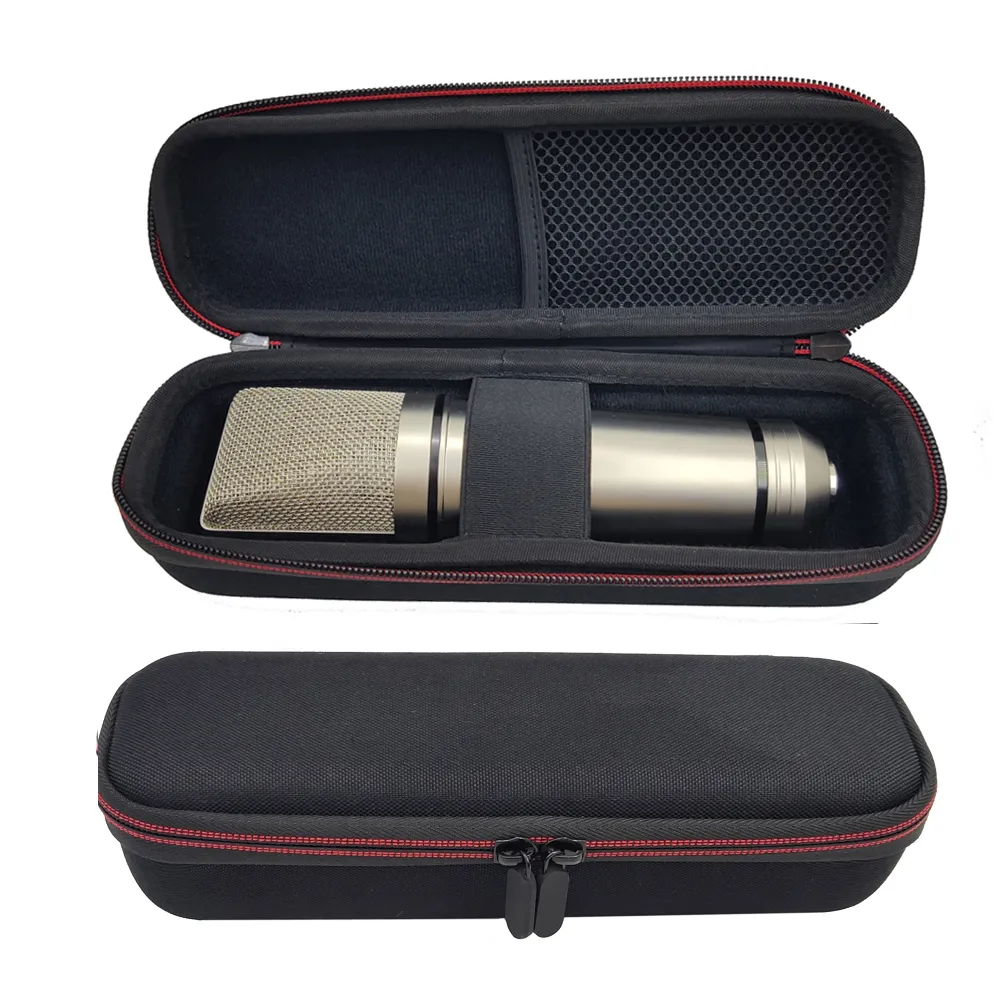
- Storage – Keep microphones in sealed cases with desiccant packs to control humidity.
- Handling – Always engage the mute switch or lower gain before plugging/unplugging to avoid pops.
Common Problems & DIY Fixes:
- No Output – Check cables, phantom power, and internal wiring. Test with another microphone to isolate the issue.
- Intermittent Sound – Likely a loose solder joint or damaged wire inside the body. Reflow connections carefully.
- Hum or Buzzing – Ensure proper grounding in cables and interfaces. Check for electromagnetic interference from monitors or power supplies.
- Reduced Sensitivity – Capsule may be contaminated or aging. Professional cleaning or replacement may be needed.
When to Seek Professional Repair:
- Capsule damage (dented or torn diaphragms)
- Transformer failure (distorted or low output)
- Complex circuit issues (transistor or IC failures)
Preventive Tips:
- Use pop filters to minimize moisture and plosive impact.
- Store microphones upright to prevent internal component shift.
- Regularly inspect cables and connectors for wear.
A well-maintained microphone not only sounds better but retains its value. For DIY enthusiasts, learning basic repair skills—like soldering and diagnosis—can save time and money.