

How to Choose a Microphone Capsule?
A Practical Guide for DIYers & Upgraders.
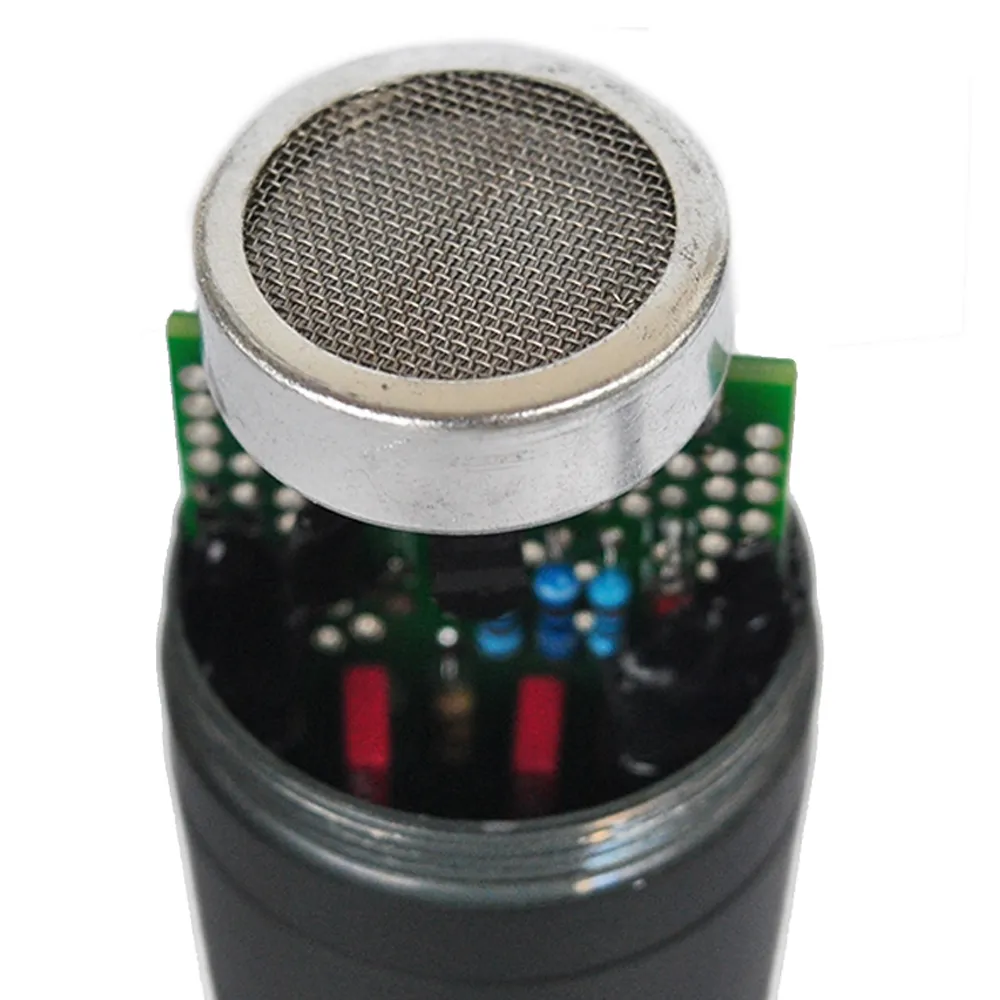
The microphone capsule is the heart of your sound. Selecting the right one can transform vocal clarity, instrumental detail, and overall recording quality. Here’s how to choose the perfect capsule for your project.=
Types of Capsules:
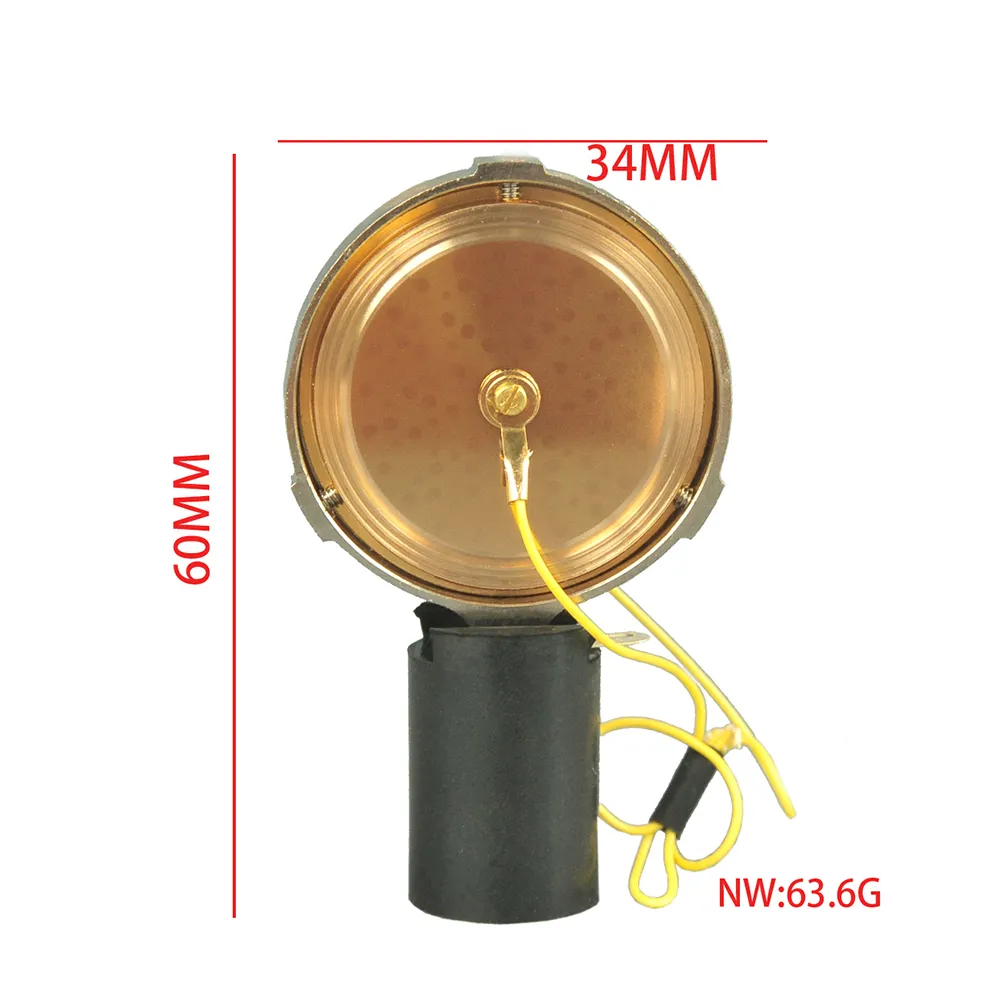
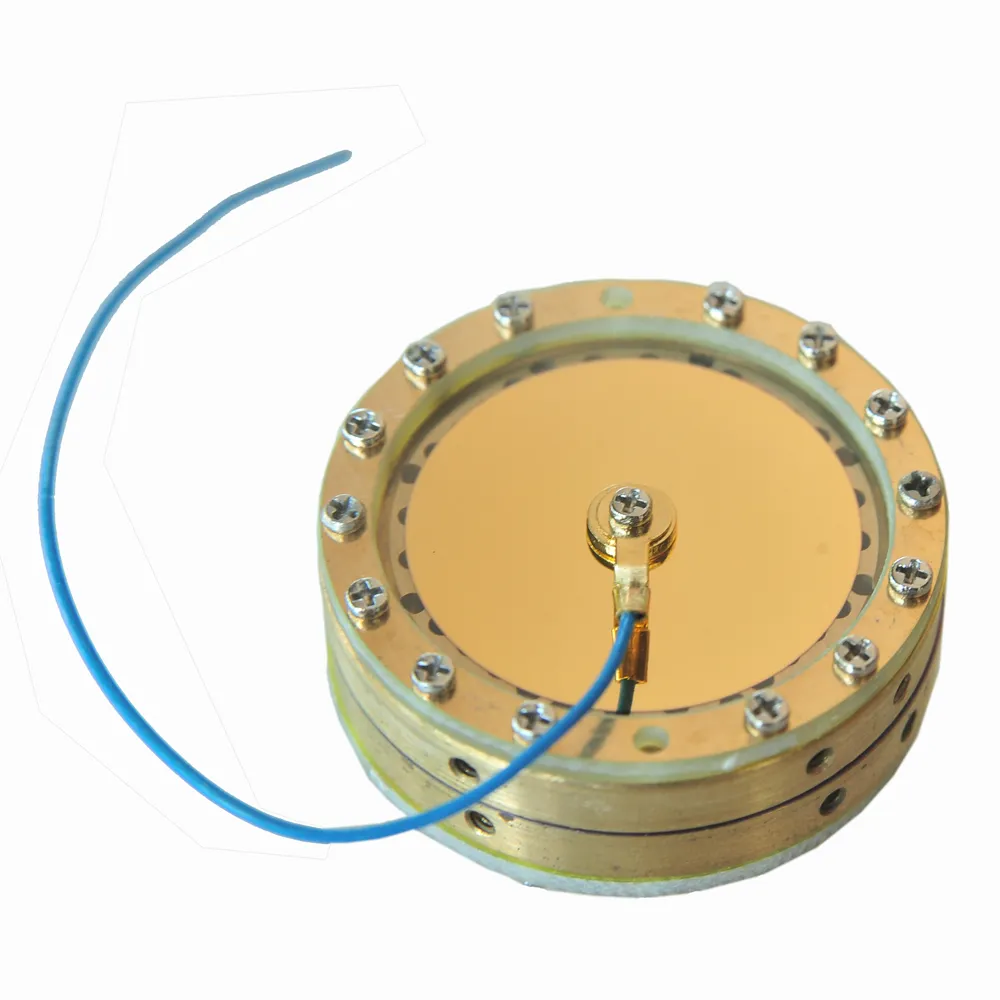
- Large-Diaphragm (34mm+) – Warm, detailed sound ideal for vocals, acoustic instruments, and studio recording.
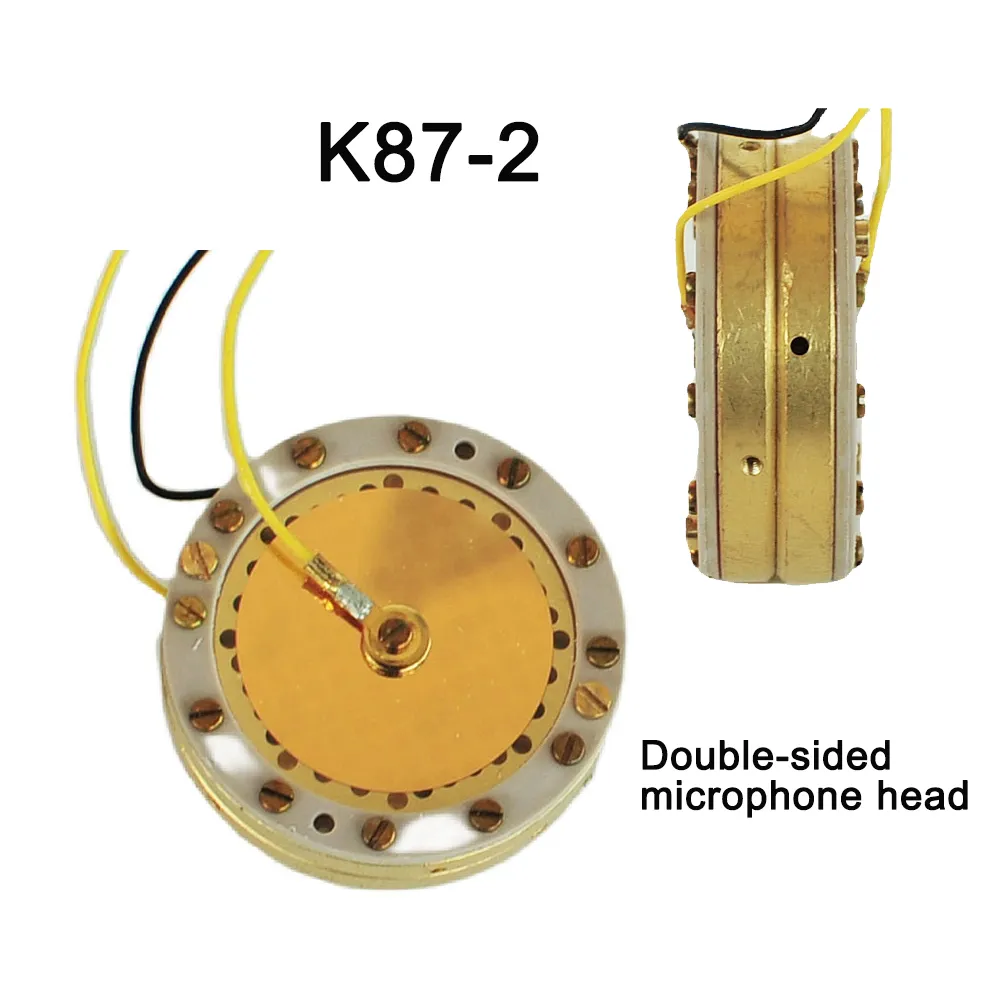
- Small-Diaphragm (<25mm) – Accurate, transparent response suited for overheads, pianos, and acoustic precision.
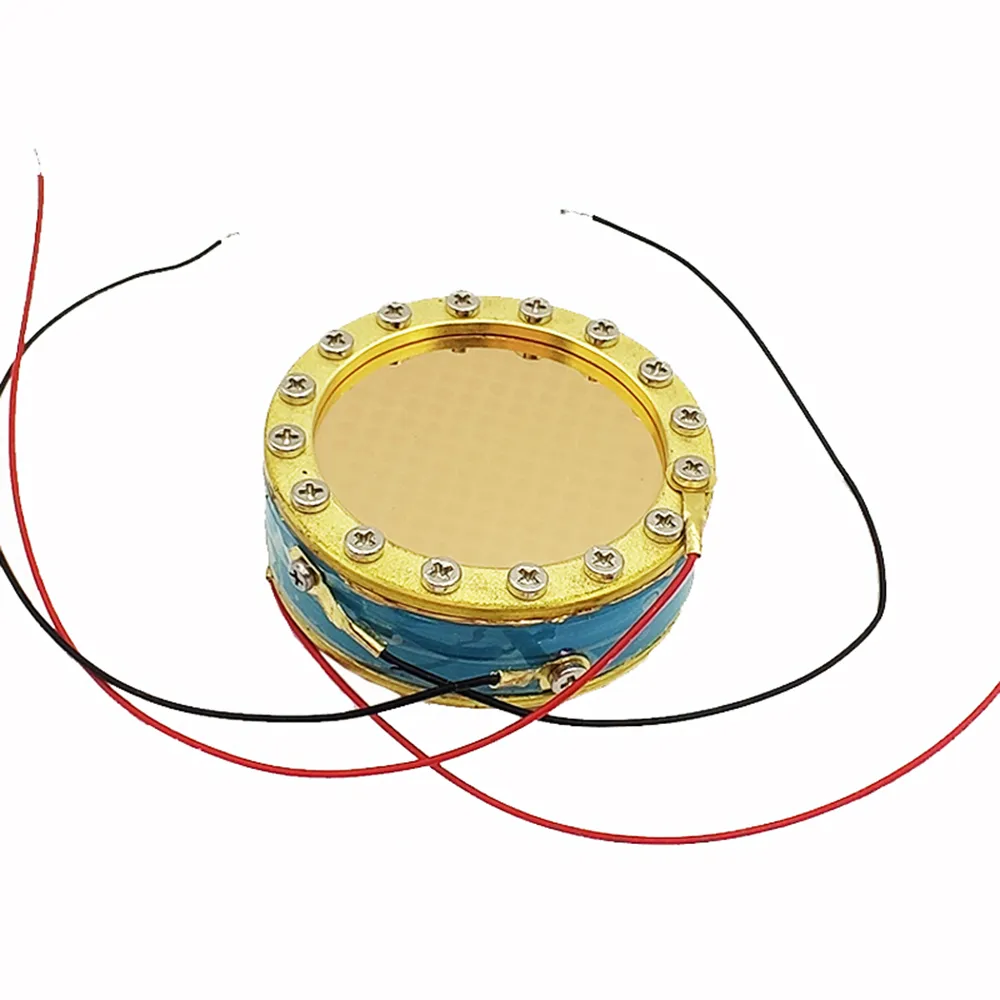
- Gold-Sputtered vs. Standard – Gold-sputtered diaphragms often offer lower noise and enhanced high-frequency sensitivity.
Key Selection Criteria:
- Application – Vocals benefit from large-diaphragm warmth; instruments may require small-diaphragm accuracy.
- Polar Pattern – Cardioid for isolated recording, omnidirectional for ambient capture, multi-pattern for flexibility.
- Sensitivity & Self-Noise – Higher sensitivity captures subtle details; lower self-noise (≤12dB-A) is critical for quiet sources.
- Compatibility – Ensure the capsule matches your circuit’s impedance and power requirements.
Popular Capsule Models & Their Sound:
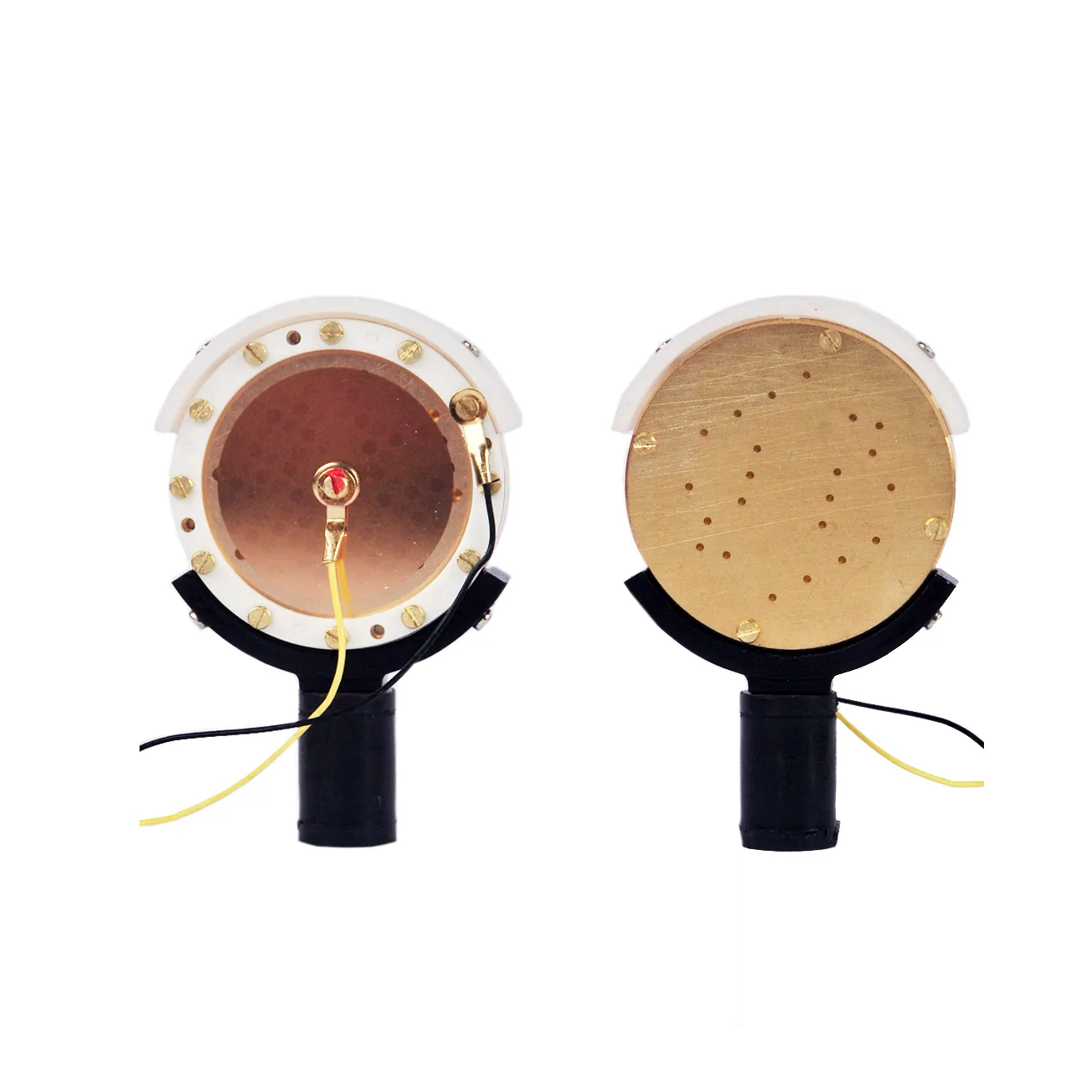
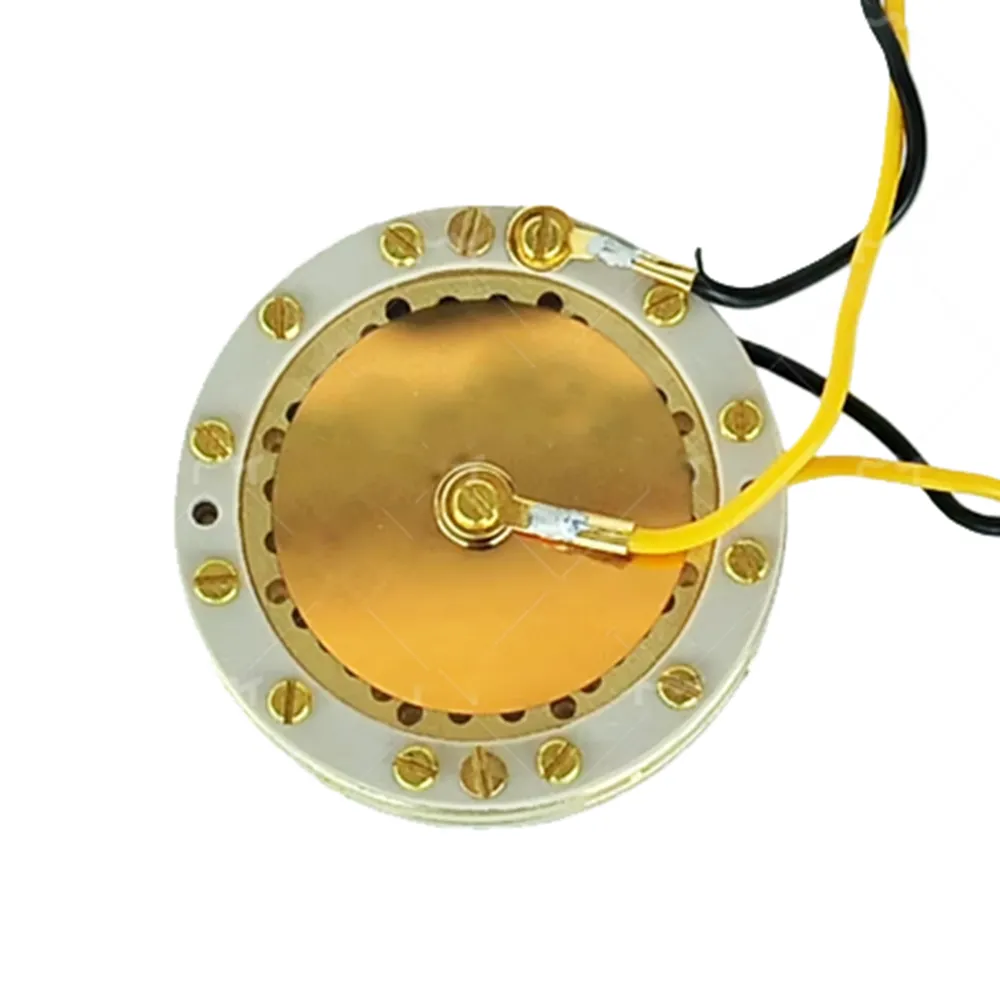
- M7 Capsule– Gold-Sputtered Capsule – Classic warmth, smooth midrange, and detailed vocal reproduction for professional studio builds.
- K87-style – Smooth midrange, gentle high-end roll-off (classic vocal tone).
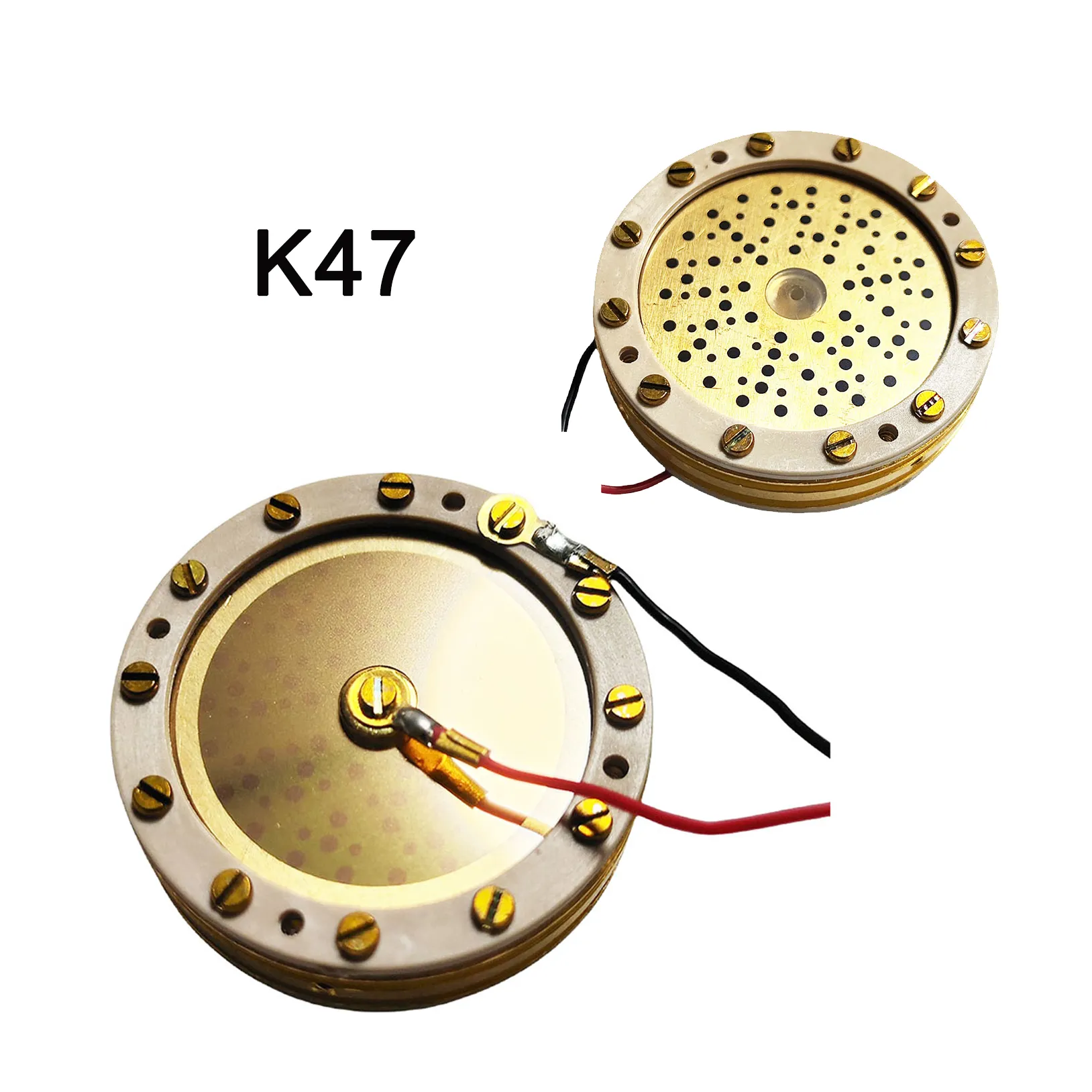
- K47-style – Bright, detailed response with presence boost (modern vocals, instruments).
- CK12-style – Airy, extended highs (vintage condenser character).
Upgrading an Existing Microphone:
Replace stock capsules in entry-level mics with premium alternatives to dramatically improve performance. Always match the original size and wiring configuration.
Final Advice:
Test capsules in your own recording environment whenever possible. The right capsule should complement your voice or instrument naturally—bringing out character without artificial coloration.