

How to DIY your own U87?
Build a Legendary Studio Mic from Scratch — Step by Step
Building your own U87-style condenser microphone is a rewarding project that combines professional sound quality with hands-on craftsmanship. This guide walks you through the process—from selecting components to final calibration—empowering you to create a studio-grade microphone at a fraction of the commercial cost.
Why Build a U87 Clone?
The Neumann U87 is an industry-standard microphone known for its smooth vocal response and versatility. A DIY version lets you achieve comparable sound while learning the technical foundations of microphone design.
What You’ll Need:
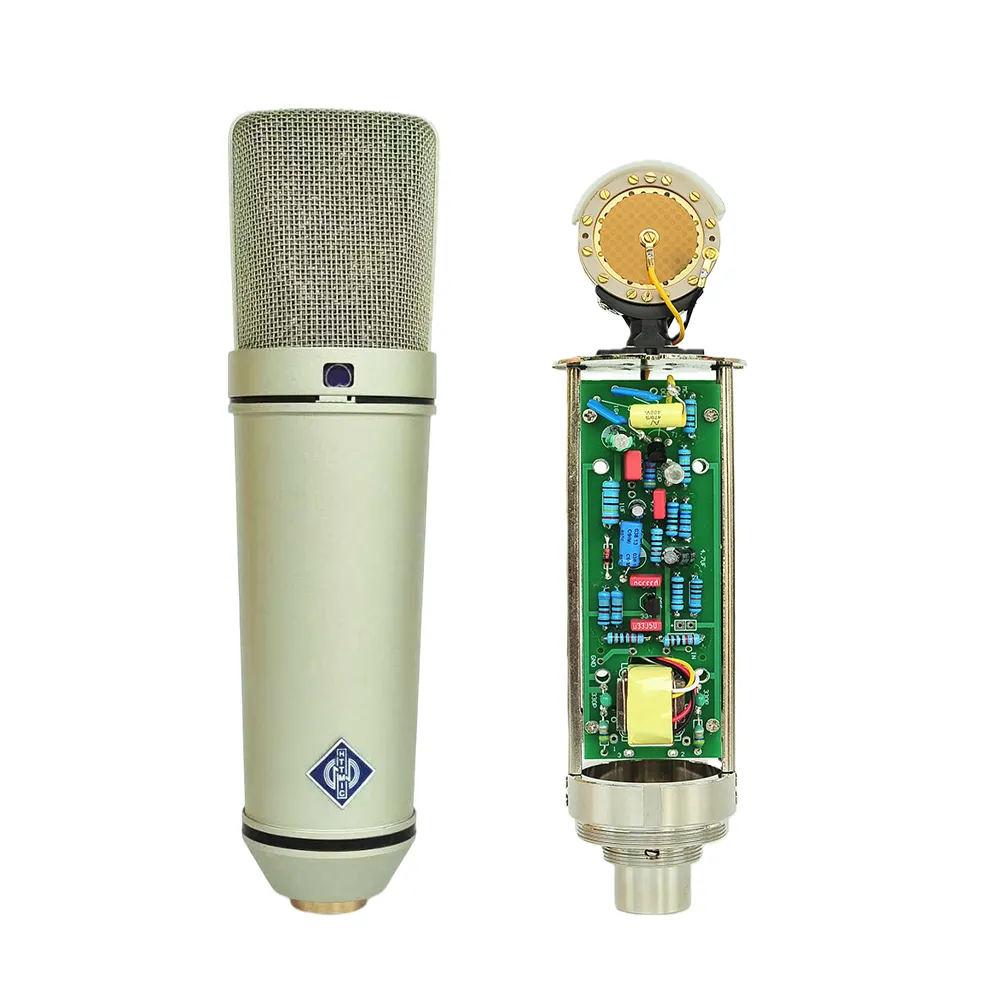
- U87-style large-diaphragm capsule (34mm gold-sputtered recommended)
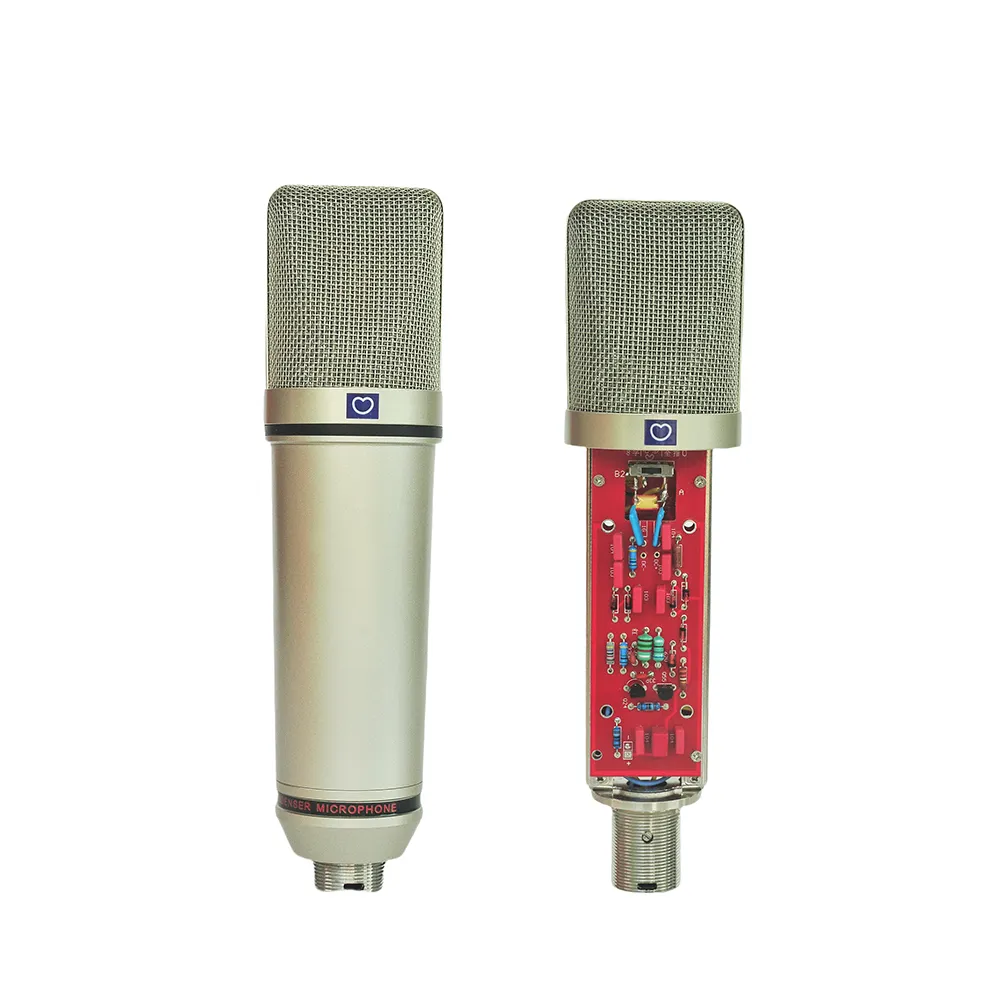
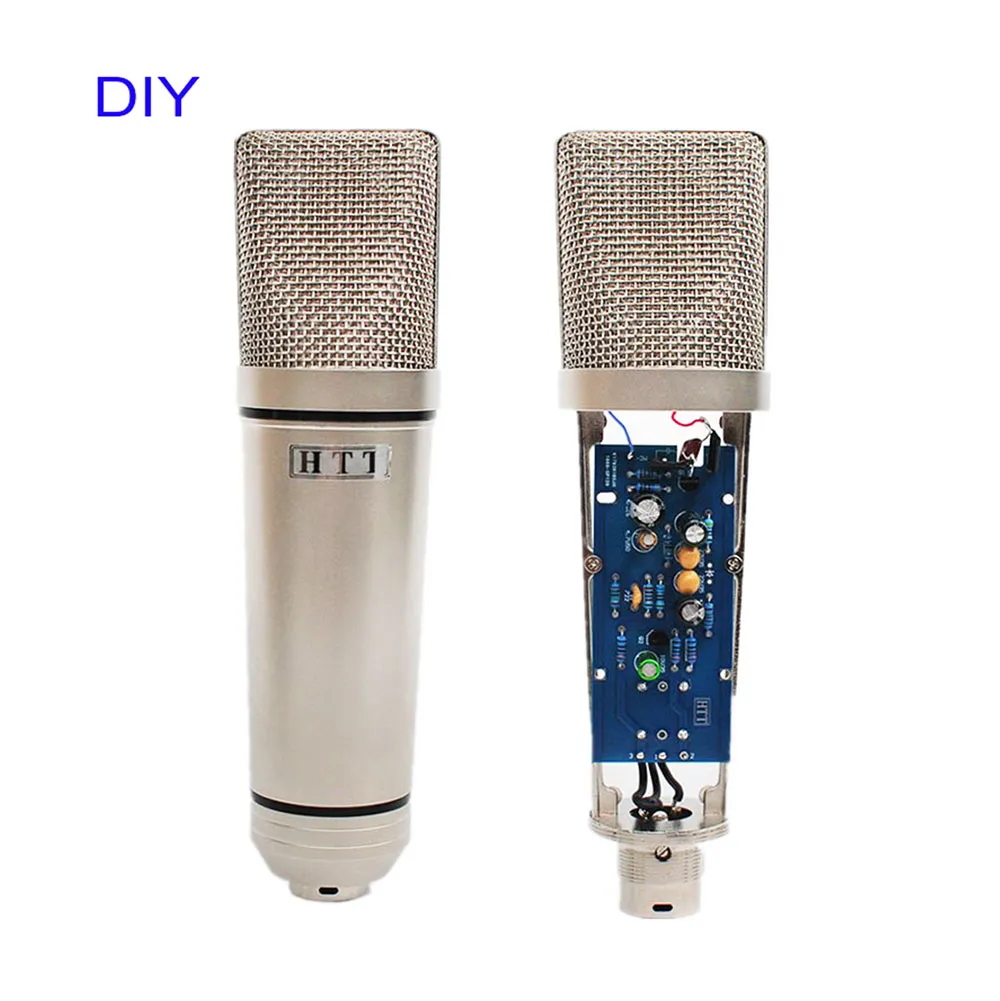
- FET-based circuit board (with transformer output for authentic tone)
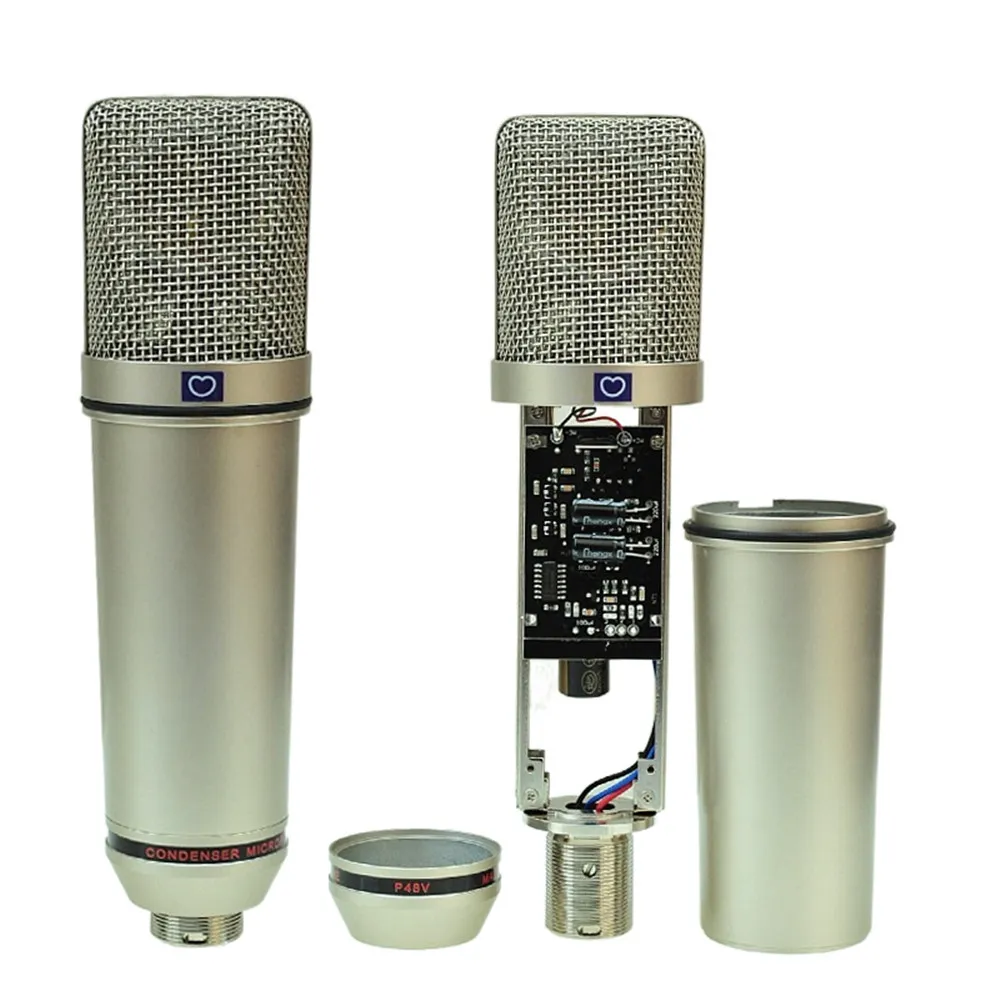
- Microphone body with internal shock mount
- XLR connector, internal wiring, and mesh grille
- Basic tools: soldering iron, screwdrivers, wire cutters, multimeter
Assembly Steps:
- Prepare the Circuit Board – Solder critical components like capacitors and transistors following the schematic. Pay attention to polarity and grounding.
- Install the Capsule – Carefully mount the capsule to the circuit board, ensuring secure and stable connections.
- Assemble the Body – Fit the circuit into the microphone housing, route wiring neatly, and attach the grille and shock mount.
- Test & Calibrate – Connect to 48V phantom power, check for noise, and verify frequency response using test recordings.
Pro Tips:
- Use high-quality components (WIMA capacitors, low-noise transistors) for optimal performance.
- Seal internal joints to prevent microphonic interference.
- Allow the circuit to stabilize for 24 hours before final testing.
Troubleshooting Common Issues:
- Hum or Noise – Check grounding and shielding.
- Low Output – Verify phantom power and solder joints.
- Unbalanced Frequency Response – Re-examine capsule alignment and circuit calibration.
Building a U87-style microphone not only saves costs but also deepens your understanding of audio engineering. With patience and precision, you’ll own a professional tool tailored to your sonic preferences.